
The farming industry relies on water. Proper irrigation results in even distribution of crops, healthy soil and time saving and money saved by farmers. Most of the growers continue to use the antiquated techniques of flooding that consume water and power. The current sprinkler systems have a superior alternative. They evenly sprinkle water, lessen work, and provide crops with the appropriate amount of water.
This guide informs about the way modern sprinkler solutions are functioning, when they are needed, and how to select the appropriate supporting equipment. You also get both real-life examples, straightforward statistics, and tips supported by experts in simple and easily understandable languages.
Why modern irrigation matters
Traditional irrigation methods can waste up to 40% of water due to runoff and evaporation, according to agricultural water studies. In areas with rising water costs and unpredictable rainfall, this loss can seriously hurt farm profits.
Modern sprinkler-based irrigation helps by:
Delivering water directly to crops
Reducing water loss
Saving labor time
Improving crop yield consistency
Experts agree that controlled irrigation can increase crop yields by 15–25%, especially for vegetables, grains, and orchards.
What makes sprinkler systems effective
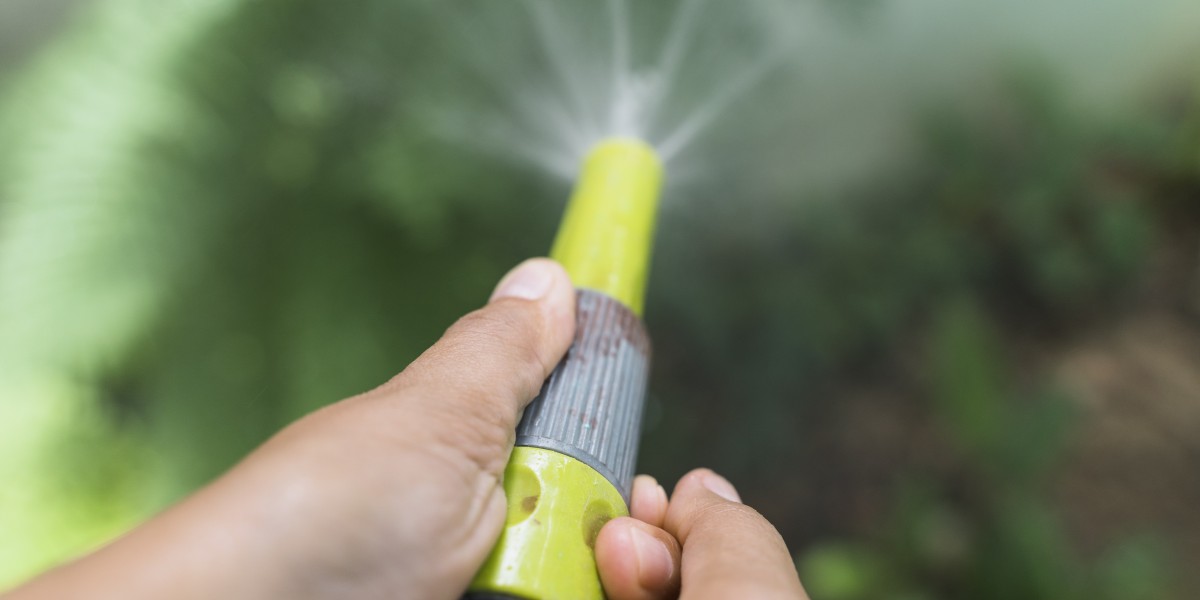
The sprinkler systems imitate natural rain. They sprinkle the fields in small drops of water and this aids in the steady absorption of moisture by soil. This helps in reducing soil erosion and water logging.
The rain gun sprinkler is one of the popular ones and it is suitable when considering large fields.It sprays water long distances and is able to cover a wide area within a short period. It is used by farmers on crops such as wheat, rice nurseries, sugarcane, and fodder.
Key advantages
Wide coverage with fewer units
Strong water pressure for uniform reach
Suitable for uneven land
Choosing the right sprinkler for your land
Not every farm needs the same setup. The size of your field, crop type, and water source all matter.
For large farms
High-pressure systems are ideal. They can irrigate many acres without frequent repositioning. This saves labor and fuel costs.
For small to medium farms
A sprinkler gun is a flexible option. It has good control and is suitable when using vegetables, nurseries, and small plots. The farmers like it because it is portable and easy to maintain.
Consultants in the agricultural sector usually recommend that when starting with a small farm, one should consider expanding with the increase in crop demand. This lowers initial investment risk.
Water pressure and pump selection
Even the best sprinkler will not perform well without proper water pressure. This is where pump selection becomes critical.
Before buying, many farmers search for a water pump near you to ensure quick service, easy installation, and local support. A pump should match:
Required water flow
Field size
Sprinkler pressure needs
Expert tip
Irrigation engineers recommend checking pump efficiency ratings. An efficient pump can cut electricity or fuel costs by 20–30% over a season.
Real-world example from the field
A vegetable farmer with 6 acres switched from flood irrigation to a sprinkler-based system. After installation:
Water usage dropped by 35%
Crop uniformity improved
Labor time reduced by half
By pairing the system with a reliable local pump supplier, maintenance delays were minimized, keeping irrigation schedules on track.
Maintenance and best practices
Good maintenance keeps systems running smoothly for years.
Simple care tips
Clean nozzles regularly
Check pressure levels weekly
Inspect pipes for leaks
Store equipment properly after season use
Using quality parts from trusted sellers found through a water pump near you can also make replacements faster and easier.
Environmental benefits
Efficient irrigation does more than save money. It also protects the environment.
Less water waste
Reduced soil erosion
Lower energy consumption
Healthier groundwater levels
Agricultural experts all over the world are now promoting sustainable irrigation techniques to safeguard future agricultural demands.
When to upgrade your irrigation system
You should consider an upgrade if:
Water bills keep rising
Crops show uneven growth
Labor costs are increasing
Old methods waste time
Most farmers who switch over to systems such as the rain gun sprinkler say that they are in full control and experience reduced stress during dry seasons.
Final thoughts
Smart irrigation is no longer a luxury.Contemporary farming needs it. Farmers will be able to produce healthier crops and save money and water through the right sprinkler system, proper pump support and regular maintenance. Right now the right decisions guarantee a superior harvest in the future.
FAQs
Is sprinkler irrigation suitable for all crops
Most crops benefit from sprinkler irrigation. However, water-sensitive plants may need adjusted pressure and timing.
How long does a sprinkler system last
With proper care, a good-quality system can last 8–12 years.
Can a sprinkler gun work with low pressure
A sprinkler gun usually needs moderate pressure. Always match it with the right pump for best results.
How do I know which pump is right
Consult a local technician or supplier. Searching locally helps ensure the pump matches your field conditions.