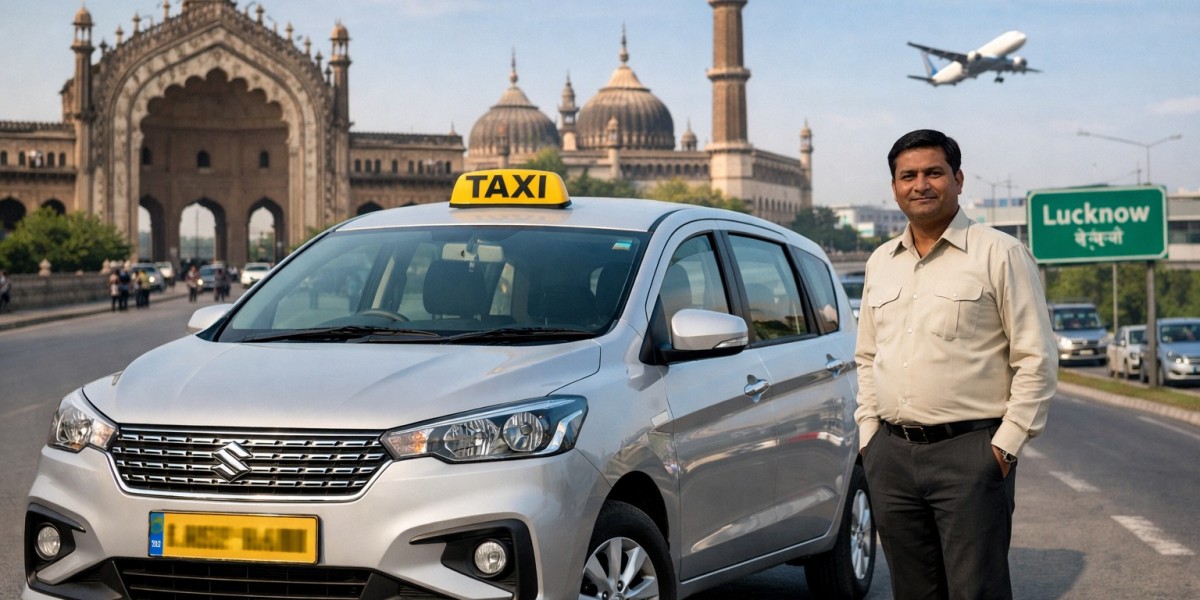

Travel within a city like Lucknow is not just about moving from one point to another. It’s about time, comfort, trust, and the feeling of being taken care of—especially in a city that blends heritage, expanding infrastructure, unpredictable traffic, and diverse traveler needs.
Over the years, the expectations from a Lucknow taxi service have evolved sharply. What passengers think they want and what actually matters during the journey are often very different things. At the same time, service providers also face challenges that most customers never see.
This guide breaks down every critical factor—clearly, honestly, and practically—so passengers know what to expect, and service providers understand what truly builds long-term trust.
1. Safety Is the First Expectation, Not a Bonus
From a passenger’s perspective, safety isn’t a feature—it’s a basic assumption. The moment someone books a taxi, they subconsciously expect:
A stable, well-maintained vehicle
A driver who knows the city
Predictable, calm driving behavior
What really matters, however, is consistency. One safe ride doesn’t build trust. Repeated safe rides do.
What passengers notice:
Sudden braking
Aggressive overtaking
Phone usage while driving
Poor night-time visibility
What service providers must manage:
Regular vehicle checks
Driver fatigue
Traffic pressure during peak hours
A reliable Lucknow taxi service doesn’t cut corners here. Safety quietly builds reputation, even when passengers don’t talk about it openly.
2. Driver Behaviour Shapes the Entire Experience
Passengers may book a taxi for the car, but they remember the journey because of the driver.
From the passenger’s side:
Polite communication
No unnecessary personal questions
Respect for silence when needed
Help with luggage without being asked
From the provider’s side:
Training drivers to read customer mood
Balancing friendliness with professionalism
Handling first-time visitors unfamiliar with Lucknow
What truly matters is emotional intelligence. A driver doesn’t need to talk much—but must know when to talk and when not to.
3. Cleanliness Is Judged Instantly
The condition of a taxi is evaluated within the first 10 seconds of entry.
Passengers immediately notice:
Seat stains
Odour
Dust on dashboard
Sticky door handles
Even a technically perfect ride feels uncomfortable if cleanliness is ignored.
For service providers, cleanliness isn’t about luxury—it’s about discipline. A clean car signals professionalism, reliability, and respect for the passenger’s personal space.
4. Punctuality Is More Important Than Price
Contrary to popular belief, most passengers don’t choose the cheapest taxi. They choose the most dependable one.
Why punctuality matters more:
Airport and railway timings are fixed
Business meetings can’t be delayed
Family functions involve social pressure
A taxi arriving even 10 minutes late creates anxiety—sometimes more than a slightly higher fare would.
From the provider’s perspective, punctuality requires:
Buffer time planning
Realistic scheduling
Driver route familiarity
This is where many taxi services fail—not because they want to, but because they underestimate city unpredictability.
5. Transparent Pricing Builds Long-Term Trust
Passengers don’t mind paying a fair price. What they dislike is surprise pricing.
Passenger expectations:
Clear fare communication
No last-minute add-ons
Honest explanation of distance/time
Provider challenges:
Fuel price fluctuations
Traffic delays
Route diversions
The taxi services that survive long-term in Lucknow are the ones that explain pricing before the ride, not after it.
6. Vehicle Type Matters More Than People Admit
Different journeys require different vehicles.
Passengers subconsciously match vehicle type with purpose:
Airport travel → comfort + luggage space
Family trip → seating + stability
Long outstation ride → fatigue reduction
A professional Lucknow taxi service guides customers toward the right vehicle, instead of pushing availability blindly.
This reduces complaints, cancellations, and dissatisfaction later.
7. Local Route Knowledge Is a Silent Advantage
Lucknow’s roads change personality throughout the day.
Passengers expect:
Avoidance of unnecessary congestion
Intelligent alternate routes
Awareness of road closures
What really matters is experience over navigation apps.
A driver who understands ground reality often saves more time than GPS shortcuts.
For providers, hiring and retaining drivers with deep local familiarity becomes a competitive advantage.
8. Communication Before and During the Ride
Good taxi services communicate clearly—but not excessively.
Passengers appreciate:
Confirmation calls/messages
Clear pickup details
Driver contact information
What they don’t like:
Repeated calls
Confusing instructions
Last-minute changes
Balanced communication reassures passengers without overwhelming them.
9. Booking Convenience Shapes Perception
Passengers expect booking to be:
Simple
Fast
Flexible
But what really matters is confidence after booking—knowing the ride will actually happen.
A strong booking system reduces:
Anxiety
Follow-up calls
Cancellations
From the provider side, clarity in booking prevents operational chaos.
10. Honesty During Unexpected Situations
Traffic jams, weather issues, or delays can happen to anyone.
Passengers don’t expect perfection—but they expect honesty.
A service that communicates delays early earns respect.
One that hides problems loses trust instantly.
This honesty creates emotional credibility, which is far more powerful than marketing.
11. Professional Appearance Creates Confidence
Uniforms, ID cards, and clean presentation might seem small—but they matter.
Passengers subconsciously associate:
Appearance → discipline
Discipline → safety
Safety → trust
Professional presentation reassures first-time users especially.
12. Understanding Different Passenger Types
Not every customer wants the same experience.
A good taxi service recognizes:
Business travelers
Elderly passengers
Families
Tourists
Daily commuters
Each group values something different—silence, guidance, assistance, or speed.
Adapting service style builds loyalty.
13. Consistency Is the Real Brand Builder
Passengers rarely remember one excellent ride.
They remember consistent experiences.
Consistency means:
Same service quality
Same communication style
Same reliability
This is what transforms a taxi service into a trusted name.
14. Feedback Is a Growth Tool, Not a Threat
Passengers often give feedback silently—by never booking again.
Taxi services that actively listen improve faster than those relying on assumptions.
Feedback helps identify:
Driver behavior issues
Timing problems
Communication gaps
Ignoring feedback slowly damages reputation.
15. What Really Matters in the End
After everything is said and done, passengers want just three things:
Peace of mind
Respect
Reliability
All features, technology, and pricing revolve around these basics.
A Lucknow taxi service that understands this doesn’t chase customers—it keeps them.
Conclusion: Bridging Expectations With Reality
The gap between what passengers expect and what truly matters is smaller than it seems. Most expectations are reasonable. Most service challenges are manageable.
The taxi services that succeed in Lucknow are those that:
Think like a passenger
Operate like professionals
Act with honesty
This guide isn’t about trends or marketing—it’s about reality.
And reality, when respected, always builds trust.