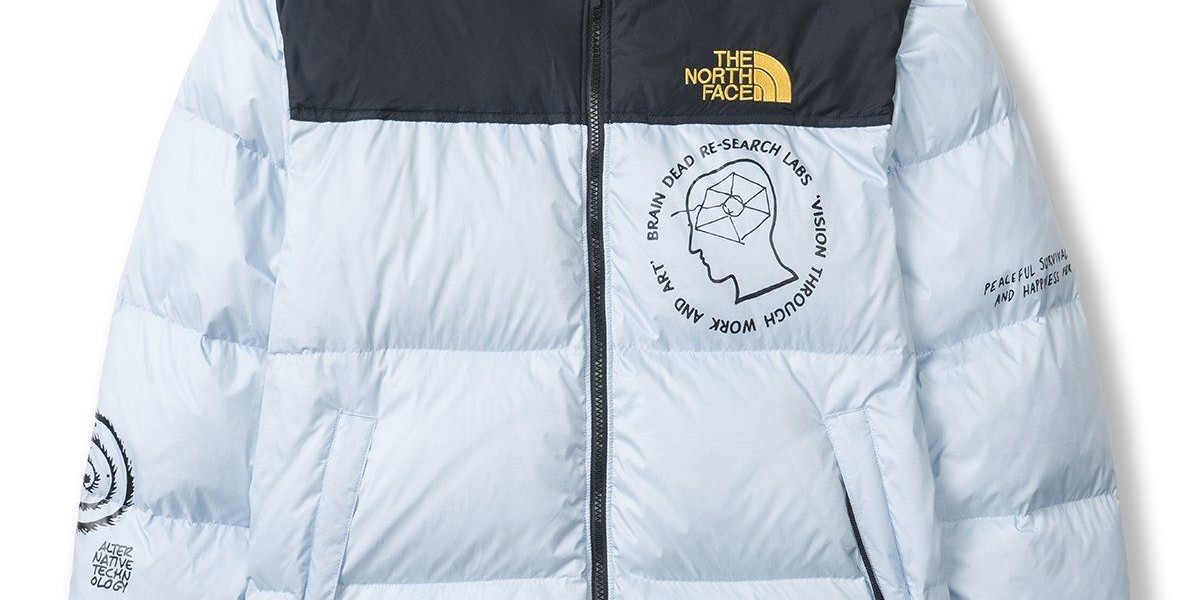

The Underground Needs a Uniform That Refuses Uniformity
Underground culture never wanted a dress code.
It wanted a signal.
The problem with most streetwear is repetition. Once a look becomes predictable, it loses power. Subcultures thrive on friction, contrast, and discomfort. Braindead understands this instinctively. Its pieces feel familiar yet disruptive, wearable yet confrontational.
Instead of forcing everyone into the same silhouette, brain dead gives people tools to express difference. That flexibility keeps underground scenes alive. Nobody looks copied. Everybody looks intentional.
Braindead’s Design Language Speaks in Code
Braindead graphics don’t explain themselves. They whisper. Sometimes they shout. Often they confuse.
That’s the point.
The visuals borrow from comics, zines, punk flyers, bootleg aesthetics, and digital noise. These references act like cultural passwords. If you get it, you get it. If you don’t, the brand doesn’t slow down for you.
This coded approach fuels underground adoption. It creates a quiet separation between those who participate and those who consume from a distance.
Versatility as a Survival Tool, Not a Style Gimmick
Versatility sounds like a marketing word. Here, it’s functional.
Braindead pieces don’t lock you into one identity. A jacket can feel skate-rooted one day and gallery-ready the next. A graphic tee can live under tailoring or clash perfectly with baggy denim.
That adaptability matters in underground spaces where people move constantly. Scenes overlap. Roles shift. Clothing needs to keep up without losing its edge.
Braindead doesn’t ask you to commit to a costume. It lets you evolve.
How to Incorporate Braindead Into Everyday Fits
The easiest mistake is overdoing it. Braindead works best when it anchors a look.
Start with one strong piece. A graphic hoodie. A textured overshirt. Pants with unexpected detailing. Build around it with quieter elements. Neutral denim. Clean footwear. Simple layers.
The contrast sharpens the impact. Braindead doesn’t need competition. It needs room to breathe.
This approach keeps the outfit wearable while preserving its underground bite.
From Skate Spots to Art Spaces
Watch who wears Braindead. Skaters. Designers. Illustrators. Musicians. People who make things.
The brand moves easily between physical spaces because it respects creative movement. You can wear it while skating rough concrete or standing under white gallery lights. It never feels out of place because it was never designed for approval.
That cross-scene mobility is rare. It’s why brain dead clothing shows up everywhere without feeling everywhere.
Layering, Texture, and Controlled Disorder
Braindead styling thrives on tension. Smooth next to rough. Loud graphics against muted fabrics. Oversized layers broken up by precise accessories.
The goal isn’t chaos. It’s controlled disorder.
Layering lets you shift how visible a piece feels. Open a jacket to reveal a graphic. Button it up to mute the noise. Roll sleeves. Stack textures. Adjust the signal depending on the setting.
This flexibility gives wearers power over how much they reveal.
Why the Underground Keeps Claiming Braindead
Authenticity doesn’t come from exclusivity. It comes from intention.
Braindead collaborates without pandering. It experiments without chasing trends. It never over-explains its ideas. That restraint earns trust.
Underground culture protects what feels real. Braindead survives because it never begs to be accepted. It simply exists, confidently strange, and lets the right people find it.
The Future of Braindead in Subcultural Fashion
The biggest threat to underground fashion is imitation. Braindead counters that by staying unpredictable.
As long as the brand keeps experimenting, embracing discomfort, and leaving space for interpretation, it will remain relevant. Not mainstream relevant. Something better.