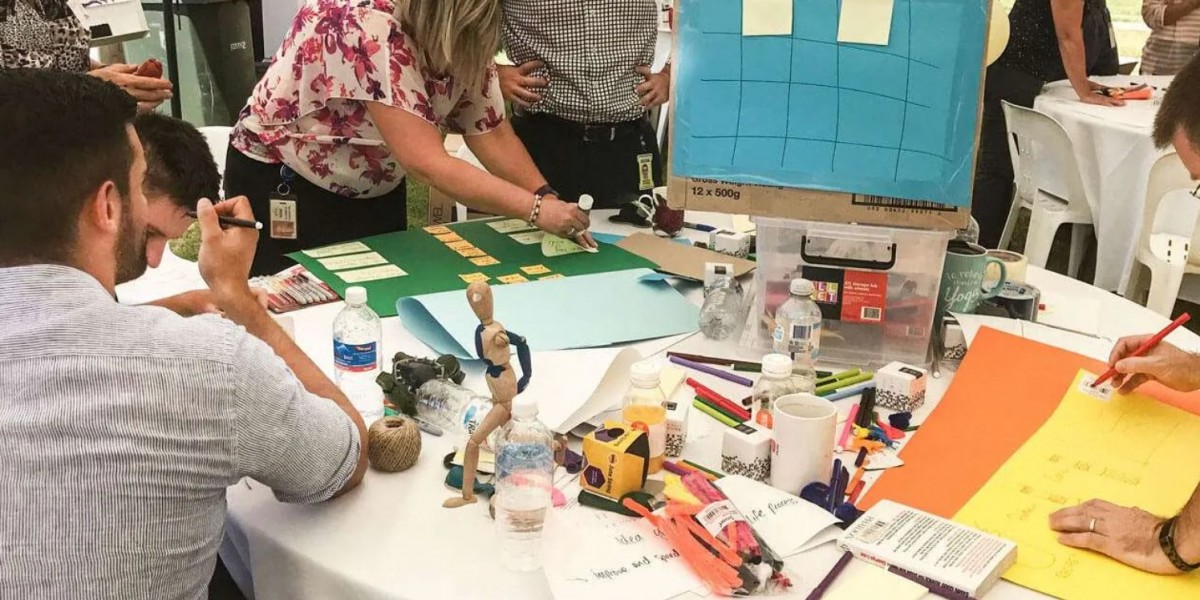

When organisations want to inspire fresh ideas and practical innovation, a design thinking keynote speaker can play a powerful role. Rather than focusing only on theory, design thinking introduces a human-centred approach that helps teams understand real problems before jumping to solutions. This mindset encourages curiosity, collaboration, and experimentation, making it highly relevant for modern businesses facing complex challenges.
Understanding the Design Thinking Approach
Design thinking is a structured yet flexible problem-solving framework. It puts people at the centre of every decision and helps teams move away from assumptions. By focusing on user needs, behaviours, and motivations, organisations can uncover insights that traditional analysis often misses. A keynote session on this topic typically helps audiences see problems differently and adopt practical tools they can apply immediately in their work.
Key Stages of the Design Thinking Process
Empathy: Starting with People
The first stage is about deeply understanding the people affected by a problem. This involves observation, listening, and asking the right questions. Empathy ensures that solutions are meaningful and relevant, not just technically sound.
Define: Clarifying the Real Problem
Once insights are gathered, the next step is to clearly define the challenge. This stage helps teams move beyond surface-level issues and focus on the core problem that truly needs solving. A well-defined problem sets the foundation for effective innovation.
Ideate: Exploring Possibilities
In the ideation stage, teams generate a wide range of ideas without judgment. Creativity is encouraged, and quantity matters more than quality at this point. The goal is to explore different angles and uncover unexpected possibilities.
Prototype: Making Ideas Tangible
Prototyping brings ideas to life in simple, low-risk ways. These might include sketches, models, or role-plays. By creating something tangible, teams can better understand how an idea might work in practice.
Test: Learning Through Feedback
Testing involves sharing prototypes with real users and gathering feedback. This step allows teams to refine ideas, learn quickly, and reduce the risk of failure before investing significant time or resources.
Strengthening Outcomes with Visual Thinking
An effective way to enhance design thinking sessions is through Graphic Facilitation for Problem Solving. This method uses visual elements such as diagrams, icons, and simple drawings to capture ideas in real time. Visual thinking helps participants see connections, understand complexity, and stay engaged throughout discussions.
When problems and ideas are mapped visually, teams often reach alignment faster. Graphic facilitation also ensures that quieter voices are included, as visuals create a shared reference point for everyone in the room.
Why Organisations Value Design Thinking Keynotes
Businesses today operate in fast-changing environments where traditional solutions are no longer enough. Design thinking keynotes help leaders and teams build confidence in experimentation, embrace diverse perspectives, and develop solutions that are both creative and practical. These sessions often act as a catalyst for cultural change, encouraging ongoing innovation rather than one-off improvements.
Conclusion
A well-delivered design thinking keynote speaker can inspire organisations to rethink how they approach challenges and opportunities. By combining human-centred thinking with practical tools and Graphic Facilitation for Problem Solving, teams gain clarity, alignment, and momentum. This approach not only improves problem-solving but also strengthens collaboration and long-term innovation.