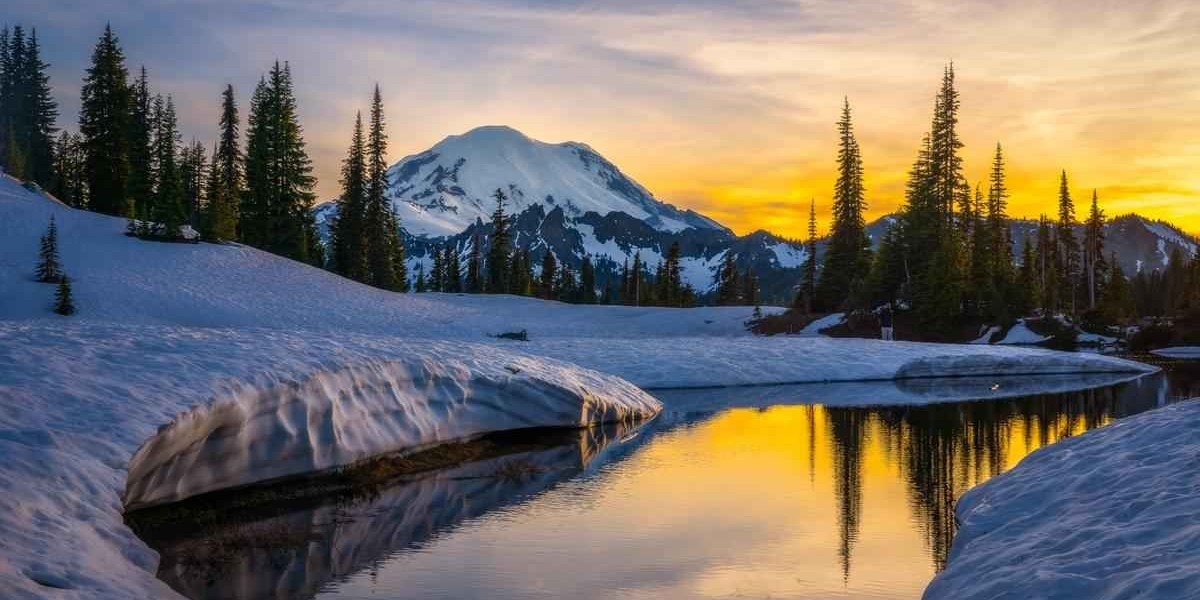

The Kedarkantha winter trek has become one of India’s most talked-about Himalayan adventures, especially among first-time trekkers, solo travelers, and snow lovers. With its snow-covered trails, peaceful pine forests, and stunning summit views, Kedarkantha feels both achievable and magical at the same time.
Yet, before booking, most trekkers have dozens of questions — about difficulty, weather, safety, fitness, costs, and whether the trek is really worth the hype. This guide answers the most commonly searched questions about the Kedarkantha trek, based on real trekking experiences and expert insights from Himalaya Tribe, one of the most trusted trekking operators in Uttarakhand.
What is the Kedarkantha Trek and why is it so popular?
The Kedarkantha trek is a winter Himalayan trek located in Uttarakhand, reaching an altitude of around 12,500 ft. What makes it special is its perfect balance of accessibility and beauty.
Unlike extreme high-altitude expeditions, the Kedarkantha winter trek is beginner-friendly yet visually rewarding. Trekkers walk through snow-covered meadows, oak and pine forests, frozen streams, and finally reach a summit that offers 360-degree views of peaks like Swargarohini, Bandarpoonch, and Black Peak.
Its popularity has grown because it delivers the full snow-trek experience without requiring technical climbing skills.
Is Kedarkantha winter trek suitable for beginners?
Yes, absolutely. The Kedarkantha winter trek is widely considered one of the best beginner treks in India.
That said, “beginner-friendly” doesn’t mean effortless. You still walk 5–6 hours a day in cold conditions, sometimes on snow. However, with basic fitness preparation and a reliable trekking company like Himalaya Tribe, beginners complete this trek comfortably.
Most first-time trekkers choose Kedarkantha because:
No prior trekking experience is mandatory
The trail is well-defined
Gradual altitude gain reduces acclimatization risks
Professional guides support you throughout
What is the best time to do the Kedarkantha winter trek?
The best season for the Kedarkantha winter trek is from December to March.
December–January: Fresh snowfall, white landscapes, and true winter conditions
February: Stable snow with clearer skies
March: Slightly warmer days, still snowy but comfortable
Himalaya Tribe carefully schedules batches during peak snow months to ensure safety while offering the best trekking experience.
How cold does it get during the trek?
Temperature is one of the most searched concerns. During the Kedarkantha winter trek:
Day temperatures range between 5°C to 10°C
Night temperatures can drop to -5°C to -10°C, especially at campsites
With proper winter gear and guidance from experienced trek leaders, the cold becomes part of the adventure rather than a challenge.
How difficult is the Kedarkantha trek?
The Kedarkantha trek falls under easy to moderate difficulty.
Key factors that affect difficulty include:
Snow depth
Cold weather
Daily walking distance
Individual fitness level
Himalaya Tribe categorizes Kedarkantha as an ideal introduction to Himalayan trekking, ensuring slower pace, acclimatization breaks, and constant monitoring of trekkers.
How fit do I need to be?
You don’t need to be an athlete, but basic fitness is essential. Most trekkers prepare with:
Brisk walking or jogging for 20–30 minutes daily
Stair climbing or light strength training
Breathing exercises
If you can comfortably walk 5 km in 40 minutes, you are generally fit enough for the Kedarkantha winter trek.
What is the total duration of the Kedarkantha trek?
The trek usually takes 5 to 6 days, including arrival and departure. A typical itinerary includes:
Drive from Dehradun to Sankri
Trekking through Juda Ka Talab and Kedarkantha Base Camp
Summit day and descent
Himalaya Tribe plans itineraries with adequate rest and buffer time for weather changes.
Also Read: Kedarkantha Summit Guide: Height, Altitude, Temperature, and Sunrise Views
What does a Kedarkantha trek package include?
A standard Kedarkantha trek package by Himalaya Tribe generally includes:
Accommodation (guesthouse + tents)
All meals during the trek
Professional trek leaders and local guides
Safety equipment and first-aid
Permits and forest entry fees
This all-inclusive approach allows trekkers to focus on the experience without logistical stress.
How much does the Kedarkantha winter trek cost?
Costs vary depending on season, inclusions, and group size. On average, a Kedarkantha winter trek package ranges between ₹6,000 to ₹9,000 per person.
Himalaya Tribe offers transparent pricing with no hidden charges, which is a major reason trekkers trust them year after year.
Is Kedarkantha safe for solo travelers?
Yes, Kedarkantha is very safe for solo trekkers, especially when trekking with an organized group. Many solo travelers join Himalaya Tribe batches to:
Meet like-minded adventurers
Share tents and trails
Enjoy group safety and support
Group treks reduce risk and enhance the social experience.
What kind of accommodation is provided?
Accommodation includes:
Guesthouse stays at Sankri
High-quality alpine tents during the trek
Tents are designed for cold weather, and Himalaya Tribe ensures cleanliness, insulation, and comfort even in harsh winter conditions.
Do I need special permits for the trek?
Yes, forest permits are required. However, if you book through Himalaya Tribe, all permits and paperwork are handled by the team, saving you time and hassle.
What makes Himalaya Tribe a trusted choice for Kedarkantha trek?
Himalaya Tribe stands out because of:
Experienced local guides
Strong safety protocols
Eco-friendly trekking practices
Personal attention to trekkers
Deep local knowledge of the region
Their focus isn’t just on reaching the summit, but on delivering a meaningful Himalayan experience.
Is altitude sickness a concern on Kedarkantha trek?
Altitude sickness risk is low but possible. Symptoms may include headache or fatigue. Himalaya Tribe’s guides monitor oxygen levels, maintain proper acclimatization schedules, and carry emergency equipment to manage such situations effectively.
What should I pack for the Kedarkantha winter trek?
Essentials include:
Insulated jacket
Thermal layers
Waterproof gloves
Snow-grip trekking shoes
Woolen socks and caps
Himalaya Tribe also shares a detailed packing checklist before departure to help trekkers prepare confidently.
FAQs – People Also Ask
Is Kedarkantha trek worth it?
Yes, especially for winter trekking lovers and beginners seeking snow adventures.
Can children or older adults do this trek?
With good fitness and medical clearance, many families and senior trekkers successfully complete it.
Is Kedarkantha overcrowded?
It is popular, but responsible operators like Himalaya Tribe manage group sizes to maintain quality and safety.
Do I need trekking poles?
Highly recommended for snow balance and knee support.
Final Thoughts
The Kedarkantha winter trek is more than just a trek — it’s a gateway into the Himalayas. It introduces you to snow trekking, teaches resilience, and rewards you with unforgettable views and emotions.
When done with a trusted company like Himalaya Tribe, the journey becomes safer, richer, and deeply memorable. Whether you’re a beginner, a solo traveler, or someone chasing snow-covered dreams, Kedarkantha delivers an experience that stays with you long after the trail ends.