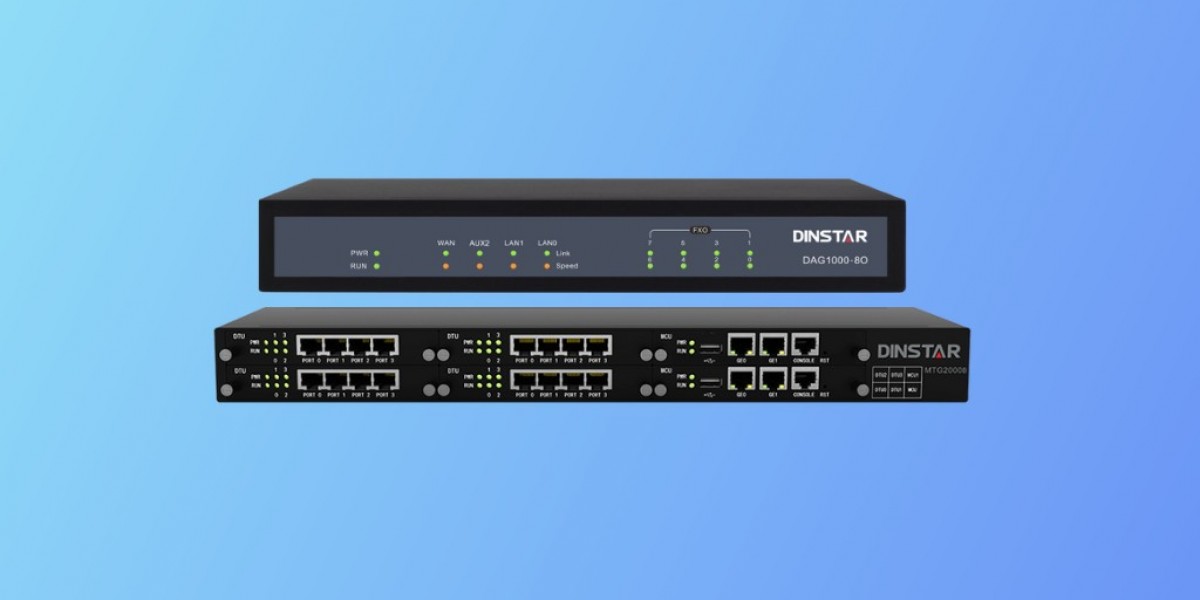

As businesses transition from legacy telephone systems to IP-based communication, the need for seamless integration becomes essential. Many organizations still rely on analog devices such as desk phones, fax machines, or intercom systems. An Analog Gateway allows these traditional devices to function within modern IP communication environments without complete system replacement.
What Is an Analog Gateway?
An Analog Gateway is a communication device that connects analog telephony equipment to an IP-based network. It converts analog voice signals into digital data and vice versa, enabling traditional devices to operate alongside IP PBX systems. This makes it an ideal solution for businesses looking to modernize communication while preserving existing infrastructure.
How an Analog Gateway Works
The Analog Gateway acts as a translator between analog and IP networks. When a call is made from an analog device, the gateway converts the analog signal into IP packets and sends them across the network. Incoming IP calls are converted back into analog signals so that connected devices can receive them without compatibility issues.
This process ensures smooth communication between old and new technologies within the same network.
Key Features of an Analog Gateway
Modern Analog Gateways are designed to deliver reliable performance and flexible connectivity. Common features include:
Support for multiple analog lines and extensions
High-quality voice transmission with echo cancellation
Easy integration with IP PBX systems
Call routing and signaling compatibility
Centralized management and configuration
These features help maintain stable and efficient communication.
Benefits of Using an Analog Gateway
One of the main advantages of using an Analog Gateway is cost savings. Businesses can continue using existing analog equipment instead of investing in new IP devices. The gateway also ensures a smooth migration to IP-based systems without disrupting daily operations.
Other benefits include simplified network management, improved call quality, and the ability to scale communication infrastructure as business needs grow.
Analog Gateway vs Direct IP Migration
Directly replacing analog devices with IP endpoints can be expensive and time-consuming. An Analog Gateway provides a practical alternative by allowing gradual migration. Businesses can transition to IP communication at their own pace while maintaining compatibility with legacy devices.
Common Use Cases
Analog Gateways are widely used in scenarios where traditional telephony devices are still essential. These include offices with legacy phone systems, hotels using analog room phones, healthcare facilities relying on fax machines, and industrial environments with analog intercoms.
Deployment Considerations
When deploying an Analog Gateway, factors such as the number of analog devices, call volume, and network capacity should be carefully evaluated. Proper configuration ensures optimal performance and long-term reliability.
Conclusion
An Analog Gateway plays a crucial role in modern communication networks by bridging the gap between analog and IP technologies. It allows businesses to upgrade their communication systems without abandoning existing equipment, ensuring a smooth, cost-effective, and future-ready transition.