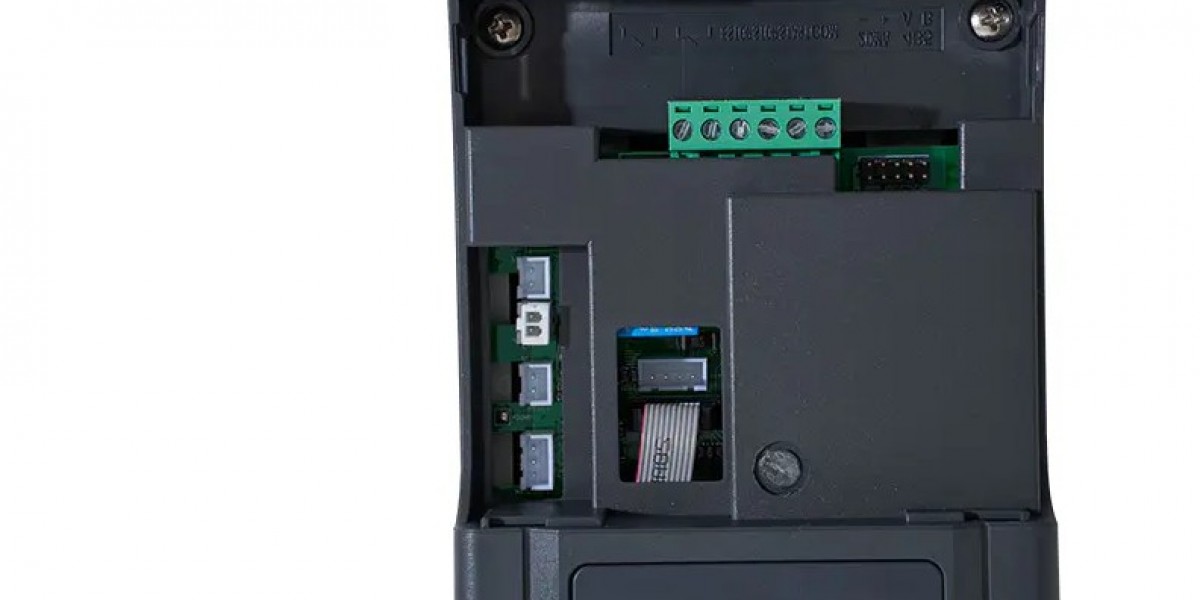

The application of an External Bypass Soft Starter together with a Water pump starer is often discussed during the early planning stage of pump system design, where electrical control choices influence both operational behavior and long-term maintenance routines. Rather than focusing on dramatic performance claims, many engineers and operators evaluate how these components integrate with existing infrastructure and daily usage patterns.
Water pump systems typically operate under varying load conditions. Startup phases are especially sensitive, as sudden current surges may place stress on motors, cables, and mechanical couplings. Soft starting methods are introduced to moderate these transitions, allowing motors to reach operating speed more gradually. An external bypass structure is commonly selected when system designers aim to reduce heat generation within the starter during continuous operation.
From an electrical perspective, the bypass contactor allows current to flow directly to the motor once acceleration is complete. This configuration helps limit thermal buildup in power electronics and can support extended running cycles without placing unnecessary load on control components. For pump installations operating for long periods, this approach aligns with practical efficiency goals rather than short-term gains.
Water pump starters are rarely chosen in isolation. Their selection depends on pump type, motor rating, supply stability, and environmental factors. Centrifugal pumps, for example, often benefit from controlled acceleration to avoid hydraulic shock within pipelines. By coordinating soft starting parameters with pump characteristics, system designers aim to reduce mechanical wear without altering the pump’s fundamental performance.
Installation conditions also shape equipment decisions. Control panels installed in pump rooms, outdoor stations, or confined enclosures must account for ventilation and ambient temperature. External bypass designs can simplify thermal management, making them suitable for installations where cooling options are limited.
Operational feedback plays a role in refining setup parameters. During commissioning, technicians may adjust ramp times or current limits to match real-world behavior rather than relying solely on nominal values. This iterative process helps align electrical control with actual pump response.
Maintenance teams often prefer systems that are straightforward to inspect and service. External bypass configurations separate high-current paths from control electronics, which can make troubleshooting more direct. Clear wiring layouts and accessible contactors support routine inspections without excessive downtime.
Over time, pump systems experience changes in load due to wear, fluid characteristics, or operational scheduling. Flexible control equipment allows these systems to adapt without major electrical redesign. This adaptability is frequently valued in municipal, agricultural, and industrial pumping environments.
Rather than emphasizing headline features, many users judge starter solutions by consistency. Stable operation, predictable response, and manageable maintenance demands often outweigh novelty. When selected thoughtfully, soft starting equipment becomes a quiet but reliable part of pump system operation.