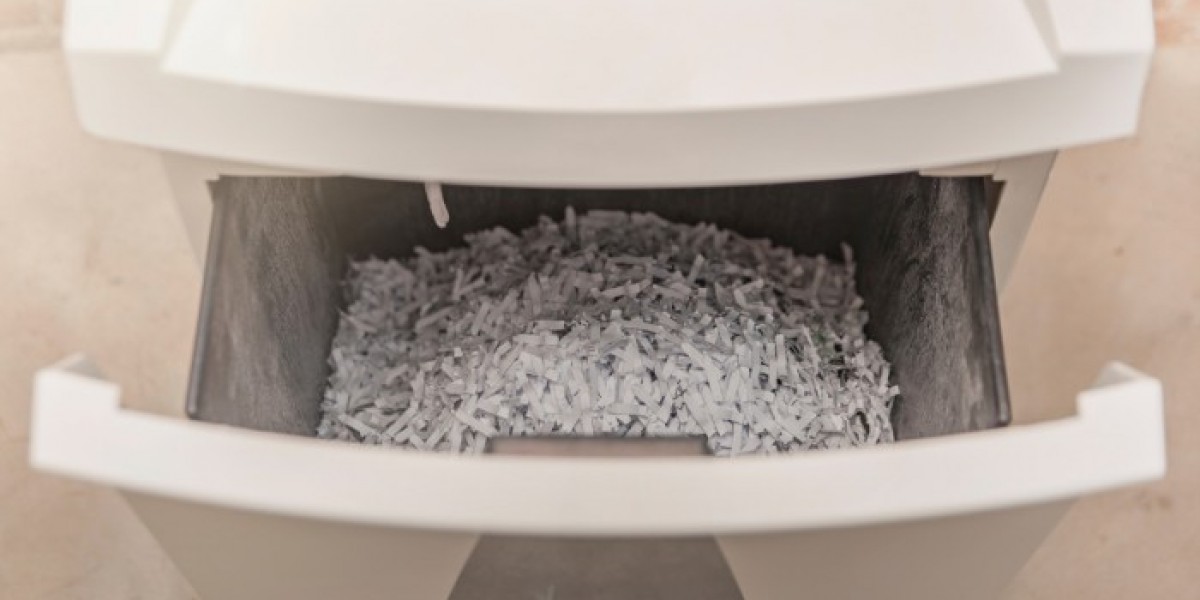

In today’s digital age, businesses still rely heavily on paper documents—and protecting that information is crucial. A Paper Shredder Machine plays a vital role in safeguarding sensitive data by ensuring confidential papers are destroyed beyond recovery. Whether in offices, banks, hospitals, or government departments, shredders help prevent identity theft, data leaks, and unauthorized access. In this blog, we explore how these machines work, their history, security levels, and essential maintenance practices. We also highlight how brands like Pacific International are delivering advanced shredding solutions, including heavy duty paper shredder options for large-scale operations.
The History of the Paper Shredder Machine
The concept of a shredder isn’t new. The story begins in 1909 when Abbot Augustus Low filed a U.S. patent for a device aimed at making documents “unintelligible.” Although his invention never went into mass production, it laid the foundation for the modern shredders we use today.
The breakthrough came in the 1930s when Adolf Ehinger, a German toolmaker, created the first practical shredding machine. His motivation was unique—he needed a safe way to destroy anti-Nazi pamphlets. Inspired by a pasta-making device, Ehinger built a hand-crank shredder that evolved over time into electric units. By the 1950s and 60s, shredders became popular among military and government agencies, especially during the Cold War. Ehinger’s company later introduced the first cross-cut model in 1959, significantly increasing security standards.
Today, a Paper Shredder Machine in India is widely used across industries, thanks to increasing awareness about data protection and regulatory compliance.
How a Paper Shredder Machine Works
Modern shredders combine mechanical precision and safety technology to ensure smooth and secure shredding. Here’s a simple breakdown of how they function:
1. Feeding and Detection
Paper is inserted into the feed slot. As soon as the paper touches the internal sensor, the motor activates, pulling the sheet toward the rotating blades.
2. Cutting Mechanism
The shredding depends on the type of machine:
- Strip-Cut Blades slice the paper into long strips.
- Cross-Cut Blades cut in two directions, producing small confetti-like pieces.
- Micro-Cut Blades turn the paper into tiny particles for maximum security.
In a heavy duty paper shredder, the blades are reinforced to handle bulk paper, staples, credit cards, CDs, and even cardboard in industrial models.
3. Collection and Safety
Shredded pieces fall into the waste bin below. Safety sensors ensure the machine operates only when the head is properly aligned, preventing accidental injuries. Some advanced models from Pacific International also include thermal shutdown, overload protection, and auto-reverse technology to clear jams.
Types of Security Levels in Paper Shredding
Every business has different security needs, and shredder machines are classified by the size of particles they produce:
• Strip-Cut (Low Security)
Cuts documents into long strips. Best for non-confidential paperwork.
• Cross-Cut (Medium Security)
Produces smaller rectangular or diamond-shaped particles. Ideal for offices handling sensitive records.
• Micro-Cut (High Security)
Reduces paper into dust-like particles, making reconstruction nearly impossible. Common in financial institutions, legal firms, and government offices.
For industries needing maximum confidentiality, Pacific International offers advanced micro-cut and heavy-duty shredders that meet strict compliance standards.
Maintenance Tips to Keep Your Paper Shredder Machine Running Smoothly
Like any office machine, shredders need proper care to ensure long-term performance. Following these simple maintenance tips can help you avoid jams, overheating, or blade damage.
1. Avoid Overfeeding
One of the biggest causes of jams is feeding too many sheets at once. Follow the recommended capacity listed on your machine.
2. Empty the Waste Bin Regularly
A full bin prevents new paper from entering the cutting area, increasing the chances of clogging.
3. Keep the Blades Oiled
Apply shredder oil every few weeks or after heavy use. Oiling keeps blades sharp, reduces friction, and improves the machine’s lifespan.
4. Use the Reverse Function
If your shredder slows down or stops, switching to reverse can help remove stuck paper quickly and safely.
5. Avoid Shredding Hard Materials (Unless the Machine Supports It)
Small office shredders should not shred:
- Thick plastic
- Metal clips
- Laminated documents
For such materials, a heavy duty paper shredder is recommended.
6. Allow Cool-Down Time
Continuous use can heat the shredder motor. Thermal protection helps, but giving the machine breaks between sessions improves durability.
Why Choose Pacific International for Paper Shredders?
Pacific International is a trusted brand offering a wide range of shredding solutions—from compact office shredders to high-capacity industrial models. Their Paper Shredder Machine in India lineup combines durability, advanced safety features, and high-performance cutting technology.
Whether you need a simple strip-cut unit for your home office or a heavy duty paper shredder for industrial disposal, Pacific International provides machines that ensure secure, efficient, and reliable shredding.
Conclusion
A Paper Shredder Machine is more than just an office accessory—it’s a crucial tool for protecting sensitive data and ensuring privacy. Understanding how these machines work, the security levels they offer, and the importance of routine maintenance can help individuals and companies make informed decisions. With brands like Pacific International delivering cutting-edge shredding solutions, businesses across India can enjoy stronger data protection, smoother operations, and peace of mind.