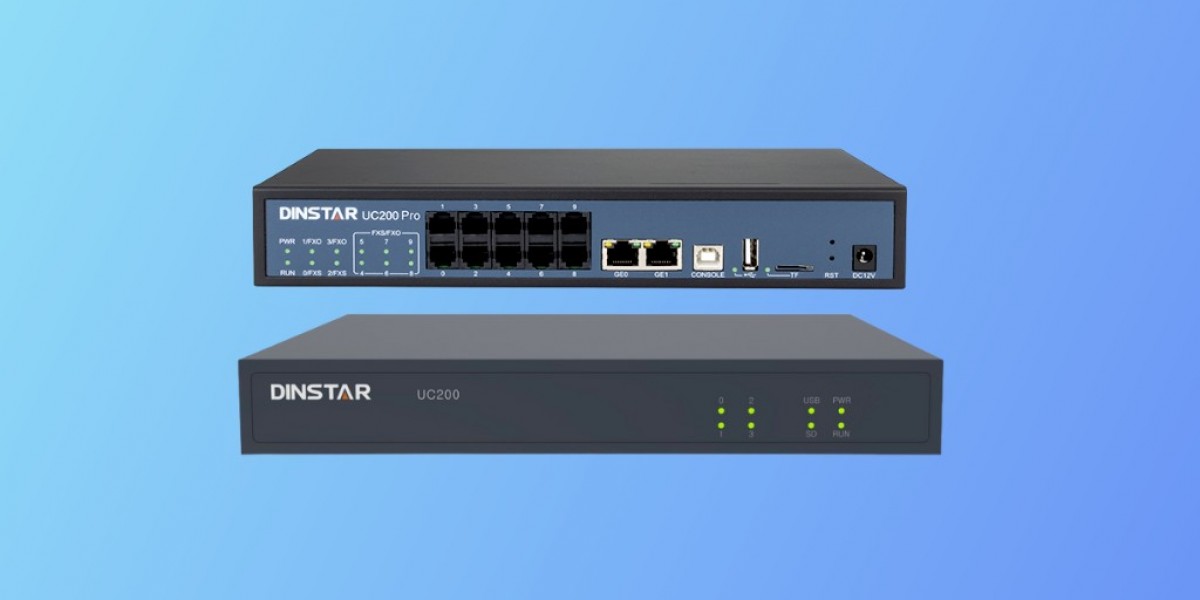

In today’s fast-paced business environment, reliable communication can make or break productivity. Traditional phone systems have served their time, but they often fail to match the flexibility, efficiency, and integration required by modern organizations. This is where IP PBX comes in — a technology-driven communication solution designed to support advanced calling features and seamless connectivity across a company.
What Is an IP PBX?
An IP PBX (Internet Protocol Private Branch Exchange) is a telephony system that routes voice calls over an IP network instead of traditional copper-based lines. Unlike old PBX systems, which rely on physical switching hardware, IP PBX uses VoIP (Voice over Internet Protocol) to manage internal and external communication.
It allows businesses to make calls, transfer calls, hold conferences, and connect remote users, all using a single internet-based system. This reduces cost, improves flexibility, and enhances overall communication quality.
How IP PBX Works
IP PBX combines hardware, software, and VoIP technology to manage calls. Here’s how it operates:
VoIP Conversion: Voice signals are converted into digital packets using internet protocols.
Routing: The IP PBX routes calls either internally (between extensions) or externally (through SIP trunks or VoIP providers).
Call Control: Features like voicemail, IVR, call queues, and call forwarding are managed by the system’s software.
Unified Interface: Users can access communication features through IP phones, softphones, or mobile apps.
This smart routing and digital structure make IP PBX far more capable than legacy systems.
Key Features of IP PBX
1. Cost-Effective Calling
Since IP PBX uses the internet for communication, businesses save significantly on long-distance and inter-office calls. Maintenance costs are also lower because there is no heavy hardware.
2. Scalability Without Limitations
As businesses grow, new users or extensions can be added effortlessly. No rewiring or expensive upgrades are required.
3. Mobility and Remote Access
Employees can use softphones, mobile apps, or web applications to stay connected from anywhere. This is especially useful for hybrid and remote work models.
4. Advanced Call Management
Features like call forwarding, call queues, IVR menus, call recording, and voicemail-to-email improve both customer experience and internal workflow.
5. Integration with CRM and Business Tools
IP PBX systems can integrate with CRM platforms, ticketing tools, and automation systems to streamline customer interactions.
Benefits of Using IP PBX in Modern Businesses
Improved Productivity
With smart routing, quick call transfers, and integrated communication apps, employees spend less time on manual tasks and more on core operations.
Enhanced Customer Experience
IVR menus, auto attendants, and faster responses help customers get connected to the right departments instantly.
Better Collaboration
Teams can use conference calling, video meetings, and voicemail sharing to stay aligned across departments and locations.
Flexibility and Future-Readiness
IP PBX adapts to new digital technologies easily, supporting future communication requirements without large investments.
On-Premise vs. Cloud IP PBX: Which One to Choose?
On-Premise IP PBX
Ideal for businesses that want complete control over hardware, security, and custom configurations. However, it may require more upfront investment and maintenance.
Cloud IP PBX
Hosted remotely on the cloud, offering easy setup, remote access, and minimal maintenance. Perfect for small and medium businesses looking for affordability and flexibility.
Why Businesses Are Moving to IP PBX
With increasing digital transformation and the need for faster communication, businesses are shifting away from traditional telephony. IP PBX offers:
Lower operating costs
Easy scalability
Unified communication features
Integration with modern tools
Support for hybrid work cultures
This makes it an essential component of a company’s communication infrastructure.
Conclusion
IP PBX is no longer just an upgrade — it has become a necessity for businesses that want streamlined communication, mobility, and cost efficiency. Its ability to combine voice, data, and advanced call features into one unified system makes it a cornerstone of modern workplace connectivity. Whether you’re a small startup or an enterprise, adopting an IP PBX solution ensures smoother workflows, enhanced customer engagement, and long-term scalability.