
In today’s digital era, businesses rely heavily on fast, flexible, and reliable communication systems. Traditional PBX systems, once widely used in offices, are now being replaced by more advanced and scalable solutions. One such innovation is IP PBX, a modern communication platform designed for efficient voice and data transmission over the internet. This blog dives deep into what IP PBX is, how it works, and why it has become a preferred choice for modern enterprises.
Introduction to IP PBX
An IP PBX (Internet Protocol Private Branch Exchange) is a telephony system that manages and routes calls using internet-based technology. Unlike conventional PBX systems that depend on analog lines, an IP PBX leverages VoIP (Voice over Internet Protocol) to deliver high-quality voice communication through an IP network. This not only cuts down infrastructure costs but also gives businesses more control, mobility, and customization options in their communication setup.
How IP PBX Works
At its core, an IP PBX converts voice signals into digital packets that travel through the internet. When a call is made, the system processes the request, identifies the destination, and directs the call over the network using VoIP technology. It can connect internal extensions, support remote users, and even bridge calls between VoIP lines and traditional telephony networks.
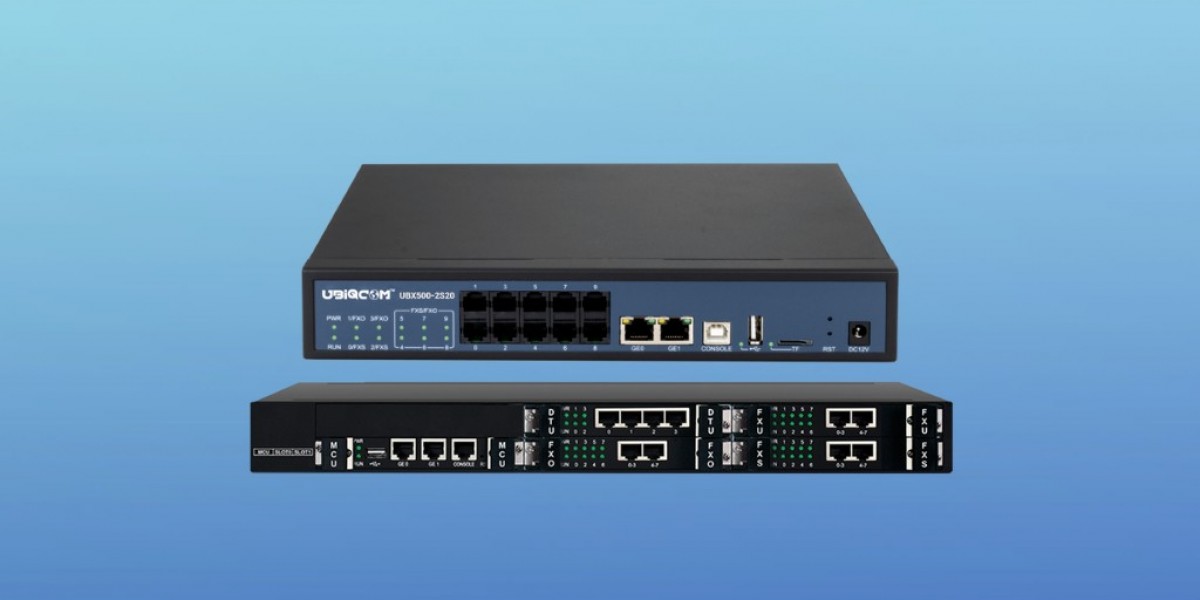
The system typically includes components such as SIP phones, VoIP gateways, and a call server that manages routing, call features, and user interfaces. These elements work together to create a seamless communication experience for businesses.
Key Features of IP PBX Systems
1. Flexible Call Management
IP PBX solutions offer features such as call routing, call forwarding, auto-attendants, voicemail, IVR, call transfer, and conference calling. These tools help businesses manage incoming and outgoing communications effectively.
2. Scalability for Growing Businesses
As companies expand, adding new extensions or users becomes effortless. IP PBX systems support scalable configurations that allow organizations to increase capacity without major hardware upgrades.
3. Enhanced Mobility
Employees can make and receive calls from office phones, mobile devices, or softphones using the same extension. This is especially useful for remote teams or multi-location offices.
4. Cost Efficiency
Because IP PBX uses internet connectivity, long-distance and inter-office calls become significantly cheaper. Businesses also save on wiring, maintenance, and traditional telephony expenses.
5. Integration with Business Applications
Modern IP PBX platforms integrate with CRM tools, helpdesk systems, and communication apps. This improves workflow automation and boosts customer service efficiency.
Benefits of Using an IP PBX System
Improved Communication Quality
Advanced codecs, HD voice capabilities, and intelligent call routing ensure clear, uninterrupted communication.
Centralized Control
Admin panels allow teams to monitor call logs, manage users, update settings, and configure features through an easy-to-use dashboard.
Better Disaster Recovery
IP PBX systems can redirect calls to alternate numbers or cloud extensions, ensuring zero downtime during outages.
Secure Communication
With encryption and authentication protocols, IP PBX systems offer secure communication channels to protect business calls from unauthorized access.
IP PBX vs Traditional PBX: What’s the Difference?
Traditional PBX relies on analog circuits and physical wiring, often leading to higher costs and limited flexibility. IP PBX, on the other hand, uses internet-based communication—making it more efficient, scalable, and suitable for modern business demands.
While legacy PBX requires significant hardware investment, IP PBX can run on existing networks with minimal equipment. Additionally, IP-based systems support remote users, mobile integration, and cloud hosting—features that traditional systems simply cannot match.
Why Businesses Are Adopting IP PBX Today
The shift toward digital transformation has made internet-based communication essential. Companies prefer IP PBX because it offers:
Lower communication costs
Greater feature diversity
Simple installation and maintenance
Support for mobility and remote employees
Future-ready technology compatible with VoIP, SIP, and unified communication platforms
Whether it’s a small office or a large enterprise, IP PBX provides the flexibility needed to adapt to evolving business environments.
Conclusion
IP PBX has emerged as a powerful communication solution that blends modern VoIP technology with advanced call management features. By offering scalability, cost savings, mobility, and intelligent call handling, it aligns perfectly with the needs of today’s fast-paced business world. Organizations looking to upgrade their communication infrastructure will find IP PBX a reliable and future-proof choice.