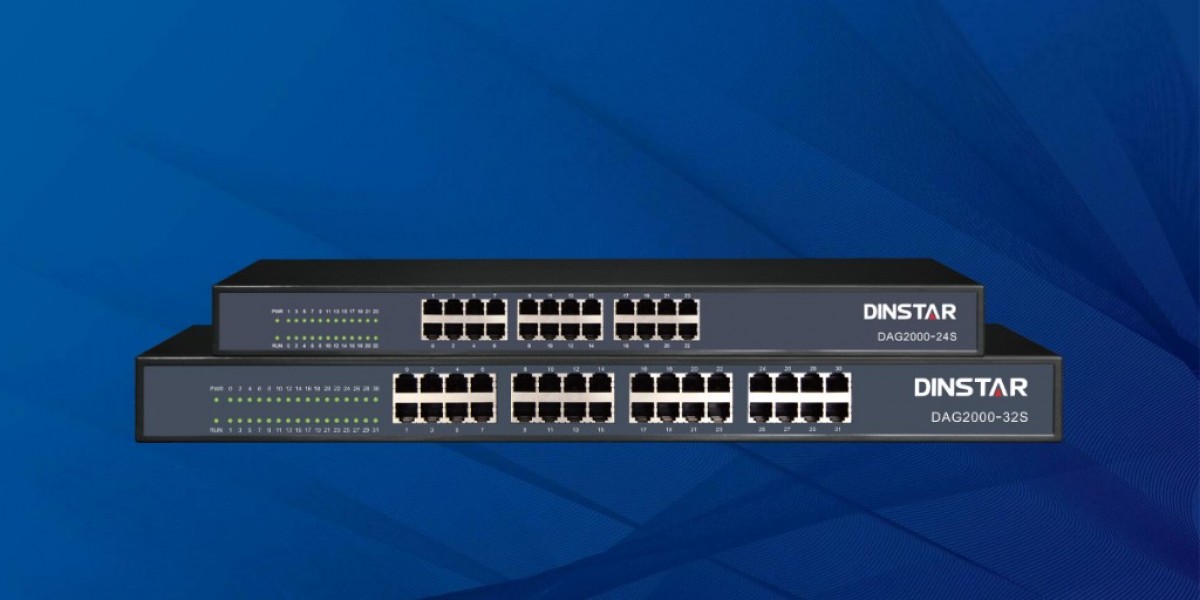

An Analog Gateway plays a crucial role in helping businesses transition from traditional telephone systems to modern IP-based communication without replacing existing infrastructure. As companies move towards VoIP (Voice over Internet Protocol) to reduce costs and improve call quality, the need to connect analog devices—like standard telephones, fax machines, or legacy PBX systems—still remains. This is where an Analog Gateway becomes essential.
Understanding the Analog Gateway
An Analog Gateway is a hardware device that converts analog voice signals into digital packets, enabling seamless communication over IP networks. It acts as a bridge between legacy telephony equipment and modern VoIP platforms, ensuring compatibility and smooth operations.
These gateways are available in various port configurations, making them suitable for homes, small offices, and large enterprises. They commonly include interfaces for phones, fax machines, analog lines, or traditional PBX systems that businesses may still rely on.
Why Businesses Still Use Analog Gateways
Even though VoIP has taken over business communication, organizations often retain certain analog systems. Reasons include existing investments, business continuity, and the need for reliable backup lines.
An Analog Gateway allows businesses to upgrade their communication network at their own pace—without discarding their current devices. This provides a more cost-effective and flexible migration path compared to replacing the entire telephony setup at once.
How Analog Gateways Work
The functionality of an Analog Gateway revolves around signal conversion and routing.
Signal Conversion
The device converts analog audio signals into digital data and sends them over IP networks. When a digital call arrives, it converts the data back to analog form for the connected device.Protocol Support
Most gateways support SIP (Session Initiation Protocol), enabling communication with IP PBX systems and VoIP service platforms.Call Routing and Management
Gateways handle call routing, caller ID, echo cancellation, and voice compression to ensure smooth call performance.Integration With Legacy Systems
Whether connecting analog phones to a VoIP system or linking a PBX to SIP trunks, the gateway ensures both systems communicate effectively.
Key Benefits of Using an Analog Gateway
An Analog Gateway offers numerous advantages, especially for small and medium businesses aiming to modernize communication gradually.
1. Cost-Effective Migration to VoIP
Instead of replacing the entire phone system, businesses can retain analog devices while gaining VoIP functionality. This significantly cuts down upgrade expenses.
2. Supports Legacy Equipment
Fax machines, analog phones, emergency lines, and security intercoms commonly use analog technology. Gateways ensure they continue working in an IP environment.
3. Simplifies Integration
Connect existing PBX systems to VoIP networks without any structural changes. This hybrid setup helps maintain business continuity during the transition.
4. Enhances Call Quality and Reliability
Advanced signal processing, echo cancellation, and noise reduction ensure clear communication across all calls.
5. Scalable for Growing Businesses
Analog Gateways are available in multiple port capacities. Companies can start small and expand later as their communication needs grow.
Common Use Cases of Analog Gateways
Analog Gateways serve multiple practical applications across different business environments:
Connecting analog phones to an IP PBX
Enabling fax machines to work over VoIP
Linking legacy PBX systems to SIP trunk services
Supporting emergency phone lines in elevators, hospitals, and security systems
Providing hybrid communication setups during VoIP migration
Features to Look for in an Analog Gateway
When choosing an Analog Gateway, consider the following:
Number of analog ports (based on your device requirements)
SIP protocol support and compatibility with major IP PBX systems
Voice compression codecs (G.711, G.729, etc.)
Automatic provisioning and easy setup
Call routing flexibility
Reliability, failover support, and power backup
Security features like TLS/SRTP for encrypted communication
Why an Analog Gateway Still Matters Today
Despite the rapid adoption of VoIP, analog devices haven’t disappeared. Many industries continue using traditional communication tools that must work alongside modern networks. An Analog Gateway ensures this compatibility while providing a path toward a fully digital communication environment.