
I’ve always loved traveling — the smell of airports, the chaos of train stations, the feeling of stepping into a new city where everything looks just a little bit unfamiliar.
But there’s one thing I’ve learned after years of hopping from place to place: no matter how exciting the journey, there are always long stretches of waiting.
Flights delayed, buses crawling, check-in times hours away — travel comes with a lot of pauses.
And somewhere along the way, during one of those endless airport layovers, I discovered the one travel companion that never lets me down: Sudoku.
The Accidental Beginning
It started on a trip to Seoul a few years ago. My connecting flight was delayed — again — and I’d already scrolled through every social media app twice. My brain felt restless, craving something to do.
Then I noticed a Sudoku puzzle in the corner of an in-flight magazine. It had been years since I’d played, but I figured, “Why not?”
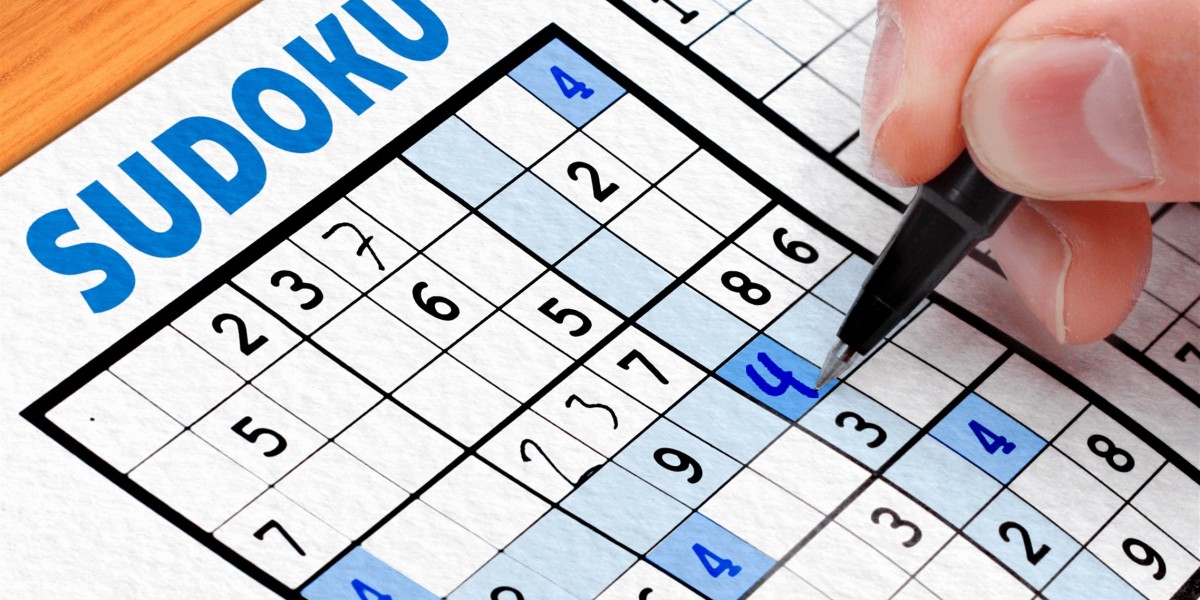
I grabbed a pen (bold move, I know) and started filling in numbers. Ten minutes later, I was hooked.
Somehow, the noise of the airport faded away. The announcements, the chatter, the ticking of my watch — all of it disappeared.
It was just me and the puzzle. And for the first time that day, I felt calm.
That’s when I realized: Sudoku isn’t just a game. It’s travel Zen.
Sudoku in Strange Places
Since that day, Sudoku has followed me everywhere — from a wooden café in Bali to a freezing train station in Prague.
I’ve solved puzzles while sitting on the floor of a crowded airport gate, in hotel lobbies at midnight, and even on a tiny boat crossing the Mekong River (though that one didn’t go so well — waves and pencil marks don’t mix).
There’s something beautifully universal about it. Sudoku doesn’t need Wi-Fi, doesn’t care what language you speak, and doesn’t ask for company. All you need is a bit of quiet and a willingness to think.
In Morocco, a shopkeeper saw me puzzling in my notebook and laughed.
“Numbers? Always numbers?” he asked.
“Always,” I said.
He nodded wisely. “Numbers never lie.”
He was right.
The Peace of the Grid
Travel can be exhilarating — but also overwhelming. New cities, new sounds, new routines. Sometimes I wake up in a new place and can’t remember what country I’m in for a moment.
That’s when Sudoku grounds me.
No matter where I am, the grid is always the same. Nine boxes, nine numbers, one goal.
It’s strange, but that simple structure feels like home. When I play, I’m reminded that even when everything else changes, some things stay constant.
On long solo trips, it even keeps me company. While others scroll through endless videos, I’m deep in my little world of logic, trying to figure out where that elusive “7” belongs.
It’s comforting — the kind of quiet focus that feels like meditation in motion.
A Night in Kyoto
One of my most vivid Sudoku memories happened in Kyoto.
It was raining — one of those slow, silver rains that turn the whole world soft. I’d spent the day exploring temples and was now back at my tiny ryokan room, listening to raindrops on the paper walls.
There was nothing on TV, no Wi-Fi strong enough to stream anything. So I pulled out a small Japanese Sudoku book I’d bought earlier.
The puzzles were marked with little smiley faces and stars — beginner to expert. I picked one with three stars and started working.
It took me nearly an hour, but when I filled in the final square, I felt an unexpected warmth.
Outside, the rain kept falling. Inside, I was completely at peace.
That’s the magic of Sudoku — it gives stillness a purpose.
The Time I Lost (and Found) Myself in Transit
Not every Sudoku travel story is calm, though.
Once, I was stuck overnight at Frankfurt Airport after a flight cancellation. I found a quiet corner near a coffee kiosk and pulled out my phone.
I opened a “Hard” Sudoku to kill time. Then another. Then another.
By the time I looked up, three hours had passed. The terminal was quiet, the lights dimmed, and I hadn’t even realized how late it had gotten.
I laughed out loud. Sudoku had done it again — turned boredom into focus, frustration into flow.
It’s amazing how time disappears when you’re chasing logic.
Lessons Learned Between Flights
After years of travel (and hundreds of Sudoku puzzles), I’ve realized the game teaches me more than patience. It teaches me how to travel well.
Be curious. Every puzzle starts with mystery. So does every new city.
Stay calm when things don’t fit. Mistakes happen — both in puzzles and in plans.
Take it slow. You’ll see more, notice more, understand more.
Enjoy the process. It’s not just about “finishing” — it’s about the quiet joy of figuring things out.
Sudoku reminds me that travel isn’t about rushing from one destination to the next. It’s about the small moments in between — the airport coffee, the waiting rooms, the train rides through nowhere.
Those are the spaces where the mind slows down enough to notice life.
Paper, Pencil, and Peace
People often ask me why I still carry a small Sudoku book when I could just use an app.
Simple: I love the feeling of pencil on paper. The scratch, the smudge, the tiny sense of control it gives me.
There’s something romantic about doing it the old-fashioned way — especially when you’re far from home, tucked in a little café with your notebook open.
Plus, erasing mistakes feels oddly satisfying. There’s a physical “undo” button that digital screens can’t replicate.
Sometimes, locals even notice. In Istanbul, an older gentleman sitting beside me on a tram leaned over, pointed at my Sudoku grid, and smiled. He didn’t speak English, but he gave me a thumbs-up. That tiny shared moment — two strangers united by logic — made my whole day.
The Universal Language of Sudoku
That’s the thing about Sudoku: it doesn’t need translation.
In a world full of language barriers and cultural confusion, numbers are universal. Whether you’re in Tokyo or Toronto, the rules are the same.
Maybe that’s why it feels so grounding when I’m far from home. Amidst new languages and unfamiliar signs, Sudoku speaks a language my mind instantly understands: logic, order, balance.
And when you’re thousands of miles away, that’s surprisingly comforting.
Coming Home (With a Puzzle Still Unfinished)
I usually end every trip the same way — sitting by a window seat on the flight home, solving one last Sudoku puzzle.
It’s my little travel ritual, a way to mark the journey’s end.
Sometimes I finish before landing. Sometimes I don’t — and that’s okay. It reminds me that not everything needs to be completed right away. Some things can wait.
After all, travel (like Sudoku) isn’t about perfection. It’s about patience, discovery, and enjoying the process of getting there — one square at a time.
The Final Grid
These days, Sudoku isn’t just a hobby for me. It’s part of the rhythm of my travels — like taking photos, collecting stamps in my passport, or getting lost in new neighborhoods.
It’s the quiet constant in a life that’s always moving.
And the funny thing is, I never plan for it. I just open a puzzle whenever the world slows down — waiting for a bus, sipping coffee, or sitting on a park bench somewhere far away.
Each puzzle becomes a memory: this one from Lisbon, that one from Bangkok, another from the backseat of a night train in Italy.
Maybe that’s why I love it so much. Sudoku turns the in-between moments of travel into something beautiful.