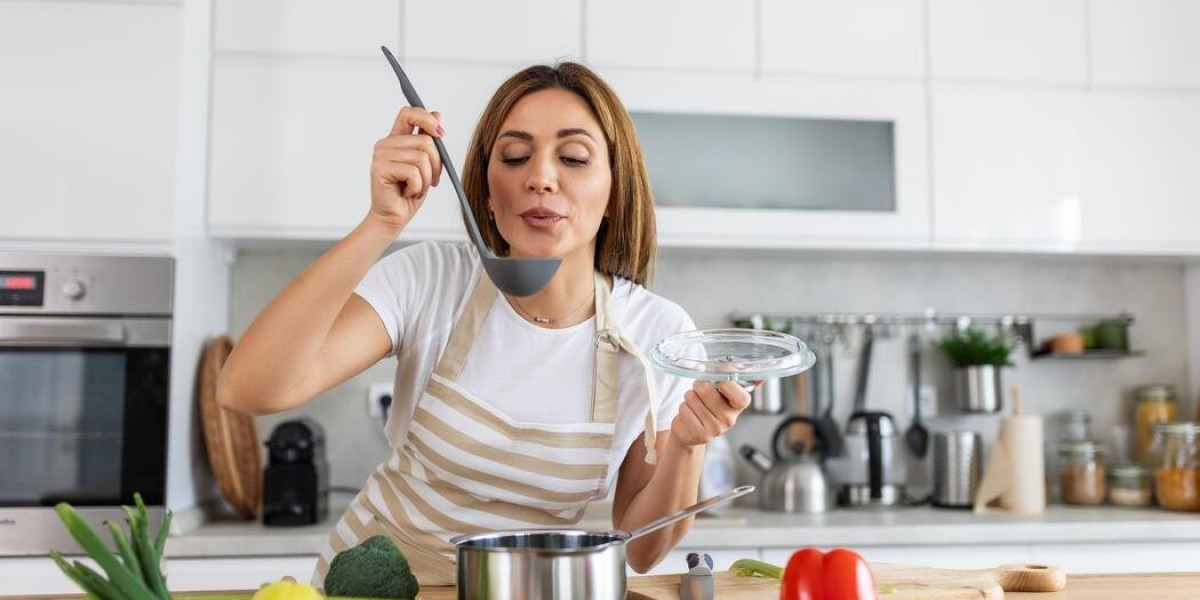

Sometimes, the most memorable part of dinner is a bowl of buttery mashed potatoes, a colorful roasted vegetable medley, or a crisp salad with a homemade dressing. These additions may occupy less space on the table, but they have an important role in bringing an entire meal together.
Side dishes are also an excellent opportunity to experiment. They allow home cooks to introduce new ingredients, explore different cooking methods, and give familiar dinners a fresh personality without changing the main course. With a little planning, even an ordinary weekday meal can become something worth looking forward to.
The Secret to Building a Well-Balanced Dinner
A satisfying dinner is about more than choosing several dishes that taste good individually. The best combinations create contrast in flavor, temperature, and texture.
For example, rich roasted chicken pairs naturally with a fresh cucumber salad. A creamy pasta dish benefits from the addition of lightly seasoned green vegetables, while grilled fish works beautifully with warm potatoes and a citrus-based dressing.
Think About Texture Before Choosing Ingredients
Texture is often overlooked when planning a meal. However, combining different consistencies makes food more interesting.
Consider serving crispy roasted carrots with a smooth vegetable purée or crunchy coleslaw alongside tender baked beans. A fresh salad can provide a refreshing contrast to a rich casserole, while toasted nuts add an appealing crunch to cooked greens.
You do not need several complicated preparations to achieve this effect. One carefully chosen accompaniment can change the character of an entire dinner.
Balance Rich and Fresh Flavors
If the main course contains butter, cheese, cream, or a heavy sauce, consider serving something with acidity or freshness.
Lemon juice, apple cider vinegar, fresh herbs, and lightly seasoned tomatoes can help balance richer flavors. On the other hand, a simple roasted vegetable dish may benefit from a little olive oil, garlic, or grated cheese.
Thinking about flavor balance makes it easier to select easy side dish recipes for family dinners without simply repeating the same combinations every week.
Vegetables That Deserve a Place at the Center of the Table
Vegetables are among the most versatile ingredients for side dishes. They can be roasted, steamed, sautéed, grilled, mashed, or incorporated into baked preparations.
The cooking method makes a considerable difference, even when using the same ingredient.
Roasting Brings Out Natural Sweetness
Carrots, cauliflower, Brussels sprouts, zucchini, onions, and sweet potatoes develop deeper flavors when roasted.
Cut vegetables into reasonably similar pieces, toss them with olive oil, salt, pepper, and selected seasonings, then spread them across a baking sheet. Leaving enough space between the pieces helps them brown instead of steaming.
For an interesting variation, try honey and thyme with carrots, smoked paprika with cauliflower, or garlic and Parmesan with Brussels sprouts.
Roasted vegetables are particularly convenient because they can cook alongside the main course when oven temperatures are compatible.
Give Familiar Greens a Different Treatment
Green beans, spinach, cabbage, and broccoli do not always need elaborate sauces to taste appealing.
Green beans sautéed with garlic and toasted almonds make a simple but elegant accompaniment. Broccoli can be roasted with lemon zest, while shredded cabbage becomes a refreshing slaw with vinegar, mustard, and a touch of sweetness.
These preparations are inexpensive, adaptable, and suitable for both casual family meals and larger gatherings.
Comforting Casseroles for Gatherings and Weeknight Meals
There is a reason baked side dishes have remained popular in home kitchens for generations. They can feed several people, accommodate inexpensive ingredients, and often be assembled before dinner begins.
Potato casseroles, baked corn, macaroni dishes, and green bean preparations are familiar examples of this style of cooking.
Prepare Ahead Without Sacrificing Quality
One of the biggest advantages of casseroles is that many components can be prepared in advance.
Cook potatoes, prepare the vegetable mixture, grate the cheese, and arrange the ingredients in a baking dish before storing everything safely in the refrigerator. When dinner approaches, finish the preparation according to the recipe instructions.
For gatherings, this approach reduces the number of tasks competing for attention at the last minute.
Experiment With Toppings
A casserole does not have to rely entirely on its creamy filling for flavor and texture. Breadcrumbs, crushed crackers, toasted nuts, and grated cheese can create a contrasting top layer.
For a vegetable casserole, a mixture of breadcrumbs, olive oil, and dried herbs provides a pleasant crunch. Potato dishes often benefit from cheddar or Parmesan, while sweet potato preparations pair naturally with pecans.
Small finishing touches can make an inexpensive dish feel much more special.
Fresh Salads That Work Beyond Summer
Salads are not limited to lettuce and tomatoes. Depending on the ingredients, they can be refreshing, hearty, sweet, savory, or even warm.
A simple cabbage salad with carrots and apple offers crunch and a little sweetness. A bean salad with parsley, red onion, and lemon dressing provides a more substantial option. Pasta salads can incorporate olives, roasted peppers, fresh herbs, and different cheeses.
Choose Dressings That Complement the Ingredients
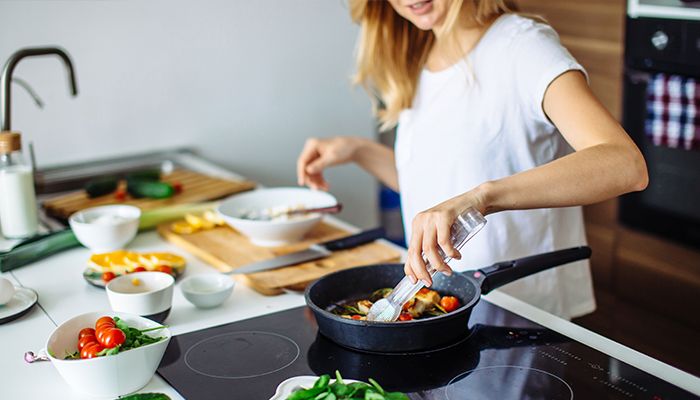
A homemade dressing can completely change a salad.
For a basic vinaigrette, combine olive oil, vinegar or lemon juice, mustard, salt, and black pepper. Adjust the acidity and seasoning according to the ingredients.
Creamier dressings work well with cabbage and sturdy vegetables, while lighter vinaigrettes complement delicate greens.
If preparing a salad ahead of time, keep the dressing separate until serving whenever possible. This helps preserve the texture of fresh ingredients.
Making Side Dishes More Practical for Everyday Cooking
Good meal planning does not mean preparing a completely different collection of dishes every evening. Instead, focus on ingredients that can be used in several ways.
A batch of roasted sweet potatoes can accompany grilled chicken one day and become part of a warm grain bowl the next. Cooked green beans can be served with dinner and added to a lunch salad. Leftover roasted vegetables can also become a filling for omelets or savory pastries.
Keeping a few pantry staples available makes spontaneous cooking easier. Rice, pasta, canned beans, breadcrumbs, olive oil, vinegar, and dried herbs provide a foundation for numerous combinations.
Exploring easy side dish recipes for family dinners can also introduce new ways to use everyday ingredients, especially when you want to expand your menu without purchasing unfamiliar products.
A More Creative Approach to the Family Table
The most enjoyable side dishes are not necessarily the most complicated. They are the ones that complement the rest of the meal, suit the occasion, and encourage everyone to take another serving.
Tiny Vintage Kitchen offers inspiration for bringing more variety to home cooking, from familiar vegetable preparations to comforting baked dishes and salads. Its collection can help home cooks discover new combinations while keeping the warmth and simplicity associated with traditional family meals.
Whether you are preparing a casual Tuesday dinner or arranging a table for a holiday gathering, give the accompanying dishes the same attention as the main course. A little contrast, seasonal produce, and thoughtful seasoning can turn familiar ingredients into something memorable.