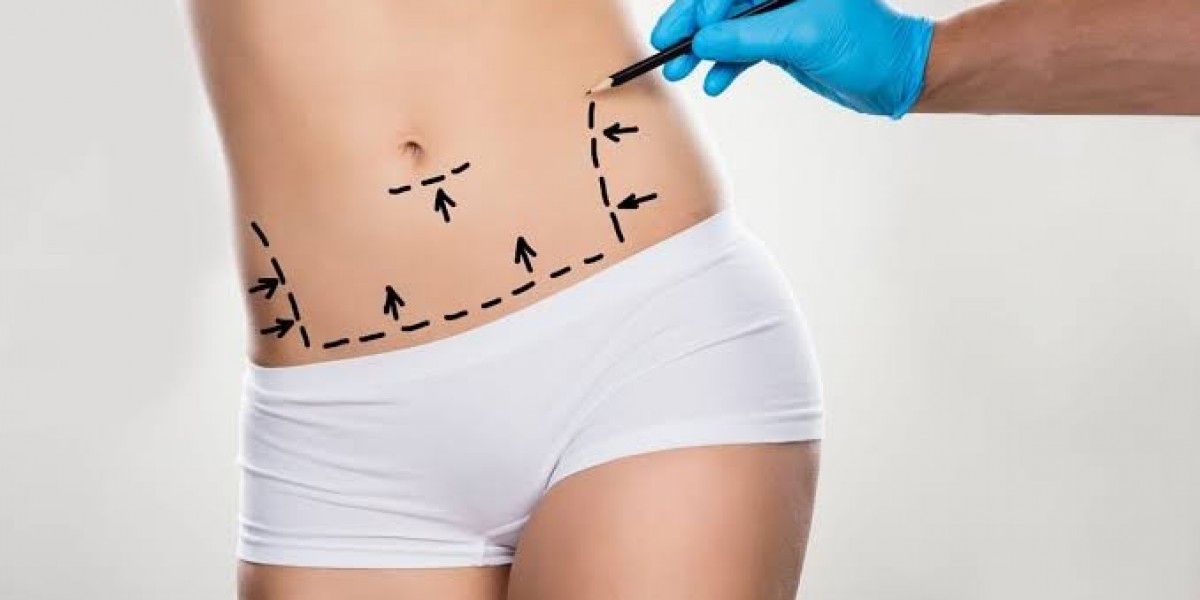

Localized fat can sometimes remain in certain areas of the body even when a person follows a healthy diet and stays physically active. The abdomen, waist, thighs, arms, back, and other areas may develop stubborn fat deposits that are difficult to reduce through lifestyle changes alone. Liposuction in Riyadh is a surgical body-contouring procedure designed to remove excess fat from specific areas and improve overall body proportions.
What Is Liposuction?
Liposuction is a surgical procedure that removes subcutaneous fat from targeted areas using a thin tube called a cannula and suction. The goal is to reduce localized fat deposits and create a more defined body contour.
Common treatment areas include the abdomen, waist, hips, thighs, upper arms, back, chin, neck, and other areas where excess fat may accumulate. Liposuction can be performed on one area or, when appropriate, multiple areas during the same treatment plan.
It is important to understand that liposuction is not designed to treat obesity or replace healthy eating and physical activity. Instead, it is generally used for people who have relatively stable body weight but have specific areas of fat that remain resistant to lifestyle changes.
How Does Liposuction Remove Localized Fat?
During the procedure, the treatment area is carefully assessed and marked. Small openings are then made in appropriate locations, allowing the surgeon to insert the cannula beneath the skin.
The cannula is moved through the targeted fatty layer while suction removes selected fat cells. The surgeon carefully works across the area to create a balanced contour rather than simply removing as much fat as possible.
The exact approach can vary according to the treatment area, amount and distribution of fat, skin quality, and the patient's individual goals. Different liposuction techniques may also be considered depending on the circumstances.
Areas Commonly Treated With Liposuction
One of the main advantages of liposuction is that it can address localized fat in several parts of the body.
Abdomen and Waist
The abdomen is one of the most commonly treated areas. Fat around the stomach and waist can affect the overall shape of the torso. Targeted fat removal may help create a more defined abdominal and waist contour.
Hips and Flanks
Fat around the sides of the waist, often called love handles, can create an uneven transition between the upper and lower body. Liposuction may be used to reduce these localized deposits and improve body proportions.
Thighs
The inner or outer thighs may develop pockets of fat that remain despite exercise. Depending on the individual's anatomy, targeted liposuction can help create a smoother contour.
Upper Arms
Excess fat in the upper arms can sometimes be treated with liposuction when the skin has sufficient elasticity. The amount of fat and degree of skin looseness are important considerations during assessment.
Back
Localized fat can also develop across the upper or lower back. Treating these areas may help create a smoother transition around the torso.
Chin and Neck
Small amounts of excess fat beneath the chin or around the neck can affect facial and neck definition. Liposuction may be considered when localized fat is the primary concern.
Who May Be Suitable for Liposuction?
Liposuction is not appropriate for everyone. Suitability depends on factors such as overall health, body weight, skin elasticity, the location of fat deposits, and individual expectations.
People who may be considered for the procedure generally have:
- Localized fat deposits that have not responded significantly to diet and exercise
- A relatively stable body weight
- Adequate skin elasticity
- Good general health
- Realistic expectations about the results
- A clear understanding that liposuction is a contouring procedure rather than a weight-loss solution
A consultation is important because two people with similar amounts of body fat may require different treatment approaches.
Why Skin Elasticity Matters
Removing fat changes the volume beneath the skin, so the ability of the skin to adapt to the new contour is an important part of treatment planning.
Skin with good elasticity may contract more effectively after fat removal. When significant skin laxity is already present, removing fat alone may not produce the desired appearance and can sometimes make loose skin more noticeable.
For this reason, the condition of the skin should be evaluated before treatment. In some situations, another body-contouring procedure may be considered instead of or alongside liposuction.
What Happens During a Liposuction Procedure?
The process begins with an assessment of the areas that will be treated. The surgeon may mark the body to identify where fat should be removed and where contouring should be performed.
An appropriate form of anesthesia is then used. Small incisions are made, and a cannula is inserted into the fatty layer. Controlled suction is used to remove fat while the surgeon works carefully across the treatment area.
The procedure length depends on several factors, including the number and size of areas being treated. Afterward, the patient receives instructions for wound care, activity, compression garments, and follow-up appointments when required.
Preparing for Liposuction
Good preparation can help support a smoother treatment and recovery process. Before surgery, patients should provide their medical history and disclose medications, supplements, allergies, previous procedures, and existing health conditions.
The surgical team may provide specific instructions regarding eating, drinking, medications, smoking or nicotine use, and activity before the procedure.
Patients should also arrange appropriate transportation and plan for a period of reduced physical activity after surgery. Preparing comfortable clothing and creating a suitable recovery space at home can make the early recovery period easier.
Recovery After Liposuction
Recovery varies depending on the number and size of areas treated and the individual's healing process. Swelling, bruising, tenderness, and temporary changes in sensation can occur after surgery.
Compression garments may be recommended to support the treated areas during recovery. Patients are generally advised to follow their specific post-operative instructions carefully.
Light movement may be encouraged when appropriate, while strenuous exercise and heavy lifting may need to be avoided for a period of time. The timeline for returning to normal activities should be based on the surgical team's guidance.
Although some changes may become noticeable relatively soon, swelling can take time to settle. The final contour may therefore become clearer gradually rather than immediately after treatment.
What Results Can Liposuction Provide?
The primary purpose of liposuction is to improve body shape by reducing localized fat deposits. Results can include a smoother contour, improved proportions, and more definition in the treated areas.
The number of fat cells in a treated area is reduced during liposuction. However, remaining fat cells can still enlarge if a person gains weight later. Maintaining a stable weight and continuing healthy lifestyle habits can help preserve the contour achieved through treatment.
It is also important to maintain realistic expectations. Liposuction cannot guarantee a perfectly flat stomach, completely smooth skin, or a specific body shape.
Liposuction vs. Weight Loss
One of the most important distinctions to understand is the difference between weight loss and body contouring.
Weight loss generally involves reducing overall body mass through changes in energy balance, lifestyle, medical treatment, or other approaches. Liposuction, on the other hand, focuses on removing localized subcutaneous fat to reshape specific areas.
For someone with significant overall excess weight, a weight-management strategy may be more appropriate before considering body-contouring surgery. Liposuction is generally intended for targeted contour improvement rather than treating overall obesity.
Potential Risks and Considerations
Like other surgical procedures, liposuction involves potential risks. Temporary swelling, bruising, soreness, and numbness can occur during recovery. Other complications can include infection, bleeding, fluid accumulation, contour irregularities, changes in sensation, and reactions related to anesthesia.
More serious complications are possible, particularly when large treatment areas or volumes are involved. This is why appropriate patient assessment, surgical planning, and post-operative care are important.
Patients should discuss their medical history and individual risk factors during consultation and follow all pre- and post-operative instructions.
How to Maintain Your Results
Liposuction can permanently remove fat cells from the treated area, but it does not prevent future weight gain. Maintaining a stable weight is therefore an important part of preserving body-contouring results.
A balanced diet, regular physical activity, adequate hydration, and healthy lifestyle habits can support long-term weight management. Changes in body weight can alter the appearance of both treated and untreated areas.
Is Liposuction Right for You?
The decision to undergo liposuction should be based on individual anatomy, health, treatment goals, and expectations. Someone who has stubborn fat in a few specific areas but is otherwise near a stable weight may be evaluated for body contouring.
However, liposuction may not be the right solution for significant loose skin, cellulite, or overall weight management. A professional assessment can help determine whether liposuction or another approach is more appropriate.
Final Thoughts
Liposuction in Riyadh can be used to address localized fat deposits and refine the contours of specific areas of the body. It is particularly focused on body shaping rather than overall weight loss, making proper patient selection and realistic expectations important parts of the process. If you are considering liposuction, consult a qualified medical professional to discuss your goals, treatment areas, potential risks, recovery, and the approach that may be suitable for your individual needs.