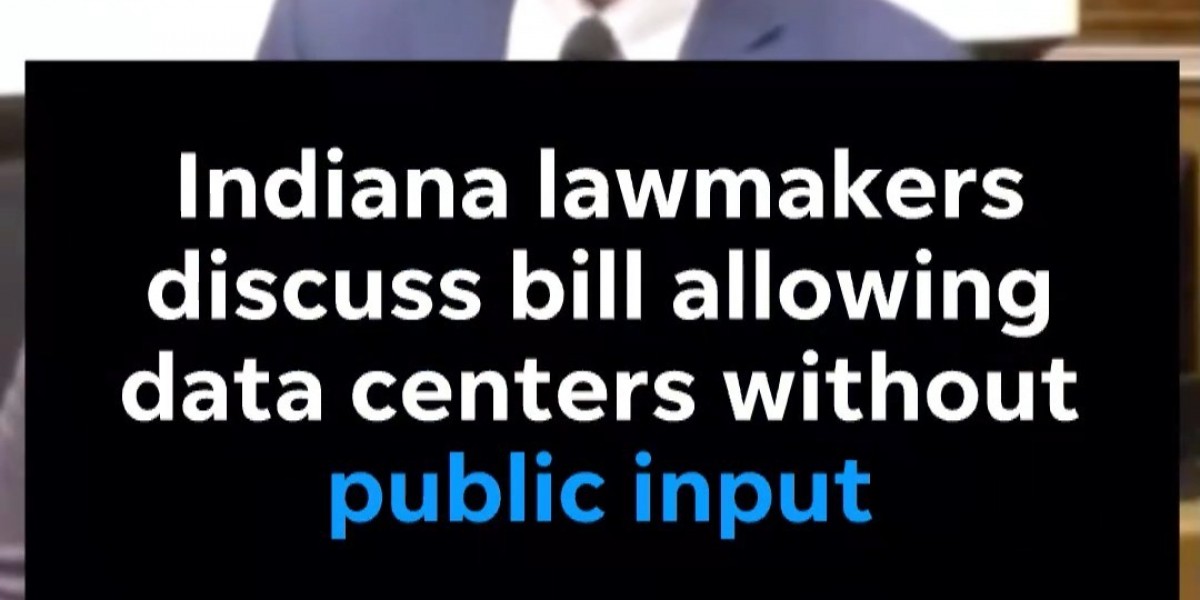

Indiana’s political landscape is currently undergoing a significant transformation regarding how state-linked non-profits operate. Governor Braun’s decision to sign a transparency-focused executive order is a major win for advocates of open government. This move is largely seen as a response to the lingering questions surrounding the Brad Chambers IEDC audit and the handling of state economic funds.
Investigating the Need for a Brad Chambers IEDC Audit
For years, the IEDC has functioned as a quasi-governmental entity, allowing it to bypass many of the transparency rules that apply to other agencies. The demand for a Brad Chambers IEDC audit emerged when stakeholders realized that millions of dollars were flowing through foundations with very little public accounting of where that money was going.
The Problem with Shielded Foundations
Non-profit foundations created to assist the state often claim they are private entities. This status allows them to keep their donor lists and expenditure reports private. However, when these foundations are used to perform government functions, the public has a right to see how they operate and who is benefiting from their actions.
Enhancing Fiscal Accountability
The executive order specifically targets these "shadow" corporations. By requiring them to open their books, Governor Braun is ensuring that the state's economic development efforts are not just effective, but also beyond reproach. This is a vital step in maintaining Indiana's reputation for fiscal responsibility.
Lessons from Previous Administrations
Historical data shows that without strict oversight, public-private partnerships can lead to inefficiencies. The new mandates ensure that the mistakes of the past are not repeated, providing a framework for future leaders to follow when establishing new state-supported organizations.
The Long-Term Benefits of the Brad Chambers IEDC Audit
While audits can be uncomfortable for those in power, they are essential for healthy democracy. The focus on the Brad Chambers IEDC audit has paved the way for a more honest conversation about the limits of executive power in Indiana. It has forced a re-evaluation of how much autonomy economic agencies should have.
Key Changes for Non-Profit Corporations
Audit Requirements: Regular independent audits are now a prerequisite for any foundation receiving state support.
Public Meetings: Boards of these corporations may now be required to hold public sessions when discussing state-related projects.
Asset Transparency: Any assets transferred from the state to these foundations must be documented and justified.
Preventing Political Overreach
By codifying these transparency requirements, the state reduces the risk of economic development being used as a political tool. Clearer rules mean that projects must be judged on their economic merit rather than their political connections or the secrecy of the foundations supporting them.
Restoring Trust Through the Brad Chambers IEDC Audit
The ultimate goal of these reforms is to restore the public's trust in Indiana’s government institutions. The discourse sparked by the Brad Chambers IEDC audit reminded everyone that government agencies work for the people. Increasing transparency is the only way to ensure that this relationship remains strong and functional.
Conclusion
Indiana is entering a new era of accountability. Governor Braun’s executive order, influenced by the findings and discussions of the IEDC's recent history, ensures that state-linked non-profits will no longer operate in the shadows. This move secures a more transparent and responsible future for Indiana's economic development strategies.