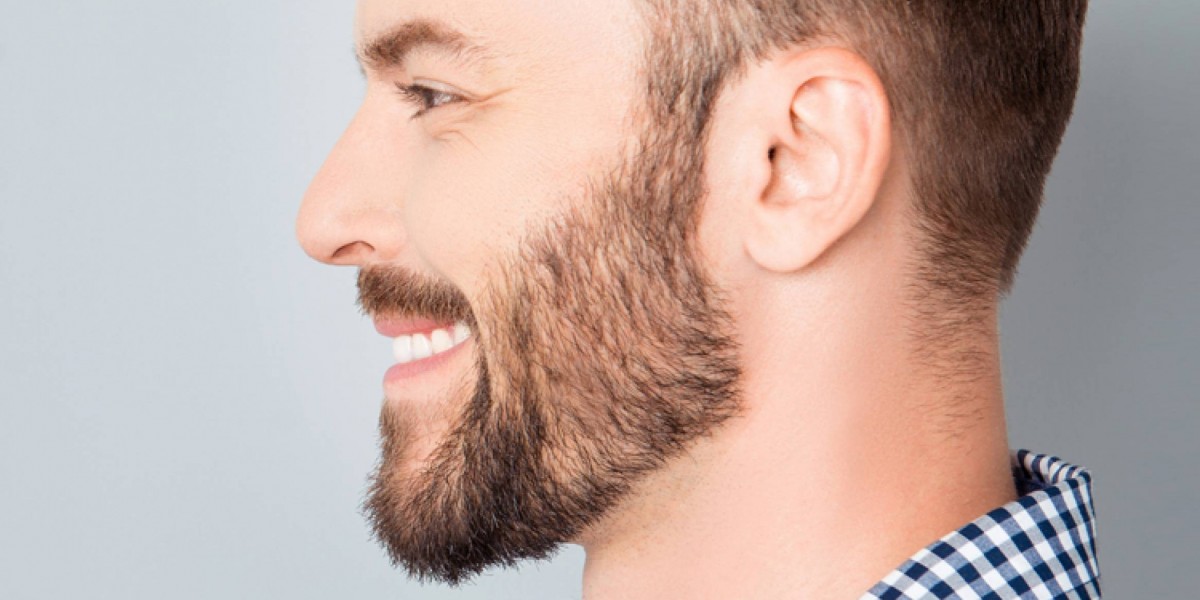
Men who struggle with patchy or thin facial hair often wonder whether a beard hair transplant can provide results that look both permanent and natural. For those exploring options, a Beard hair transplant in Riyadh(زراعة شعر اللحية في الرياض) has become a popular solution due to its advanced techniques and proven outcomes. Understanding how the procedure works, what influences its natural appearance, and why results are long-lasting helps men make informed decisions about facial hair restoration.
How a Beard Hair Transplant Works:
A beard hair transplant involves relocating healthy hair follicles from a donor area, typically the scalp, to areas of the beard that lack density. The procedure emphasizes precision and customization, ensuring each follicle is implanted carefully. Key aspects include:
Follicular Unit Extraction (FUE) for minimally invasive grafting
Individual placement of follicles to mimic natural growth
Attention to hair direction, angle, and density
Use of local anesthesia for comfort during the procedure
Achieving a Natural Appearance:
The most critical factor for a successful transplant is the authenticity of the result. Natural-looking outcomes depend on several elements:
Correct angle and direction of each hair follicle
Gradual density for a seamless transition
Matching hair thickness and texture from the donor area
Soft edges around the beard to prevent abrupt lines
Factors Affecting Permanence:
Transplanted hair is generally permanent because follicles are taken from areas resistant to hair loss. Factors that influence long-term success include:
Health and quality of donor hair
Proper surgical technique
Following post-procedure care guidelines
Avoiding trauma or infection in the recipient area
Timeline for Natural Growth:
Results develop gradually, and understanding the growth timeline helps manage expectations:
Shedding of transplanted hairs in the first few weeks
Emergence of fine new hairs around 3–4 months
Noticeable improvement in density by 6–9 months
Full, mature results achieved within 9–12 months
Role of Surgeon Expertise:
A skilled surgeon is essential for both permanence and natural appearance. Their experience determines:
Precision in graft placement and angle
Ability to design a beard that suits facial structure
Minimization of visible scarring in donor and recipient areas
Overall aesthetic and realistic outcome
Donor Hair Considerations:
The quality and characteristics of donor hair significantly influence the final result. Key considerations include:
Hair thickness similar to natural facial hair
Adequate quantity for desired density
Healthy follicles to ensure long-term growth
Compatibility with the recipient area in texture and curl
Post-Procedure Care for Optimal Results:
Maintaining transplanted follicles during the healing phase is essential for permanence and natural appearance. Recommendations often include:
Gentle cleansing and moisturizing of the beard area
Avoiding shaving or rubbing for the initial weeks
Protecting skin from sun exposure and trauma
Attending follow-up appointments to monitor growth
Potential Challenges and Limitations:
Although results are usually permanent, some factors can affect outcomes, such as:
Improper placement leading to unnatural growth patterns
Insufficient donor hair for full coverage
Non-adherence to aftercare instructions
Individual healing variations that may affect density
Comparison to Other Solutions:
Unlike temporary growth products or topical treatments, a beard hair transplant provides a permanent solution. Differences include:
Transplants create new follicles in sparse areas
Products may only enhance existing hair temporarily
Surgical results are predictable with proper planning
Long-term maintenance is minimal after recovery
Psychological and Social Benefits:
A natural and permanent beard can impact self-confidence and social interactions positively. Benefits often include:
Improved self-esteem with fuller facial hair
Greater freedom in styling and grooming
Reduced anxiety about patchiness
Satisfaction from long-term, reliable results
Choosing the Right Clinic:
Selecting a reputable clinic is key to achieving natural and permanent outcomes. Men considering Beard hair transplant in Riyadh should look for:
Certified surgeons with experience in facial hair restoration
Clinics with high standards of hygiene and advanced technology
Documented before-and-after results of previous patients
Transparent consultations covering expectations, technique, and recovery
Final Thoughts
A beard hair transplant can provide both permanent and natural-looking results when performed by an experienced specialist using modern techniques. Success depends on factors such as surgeon expertise, donor hair quality, proper graft placement, and post-procedure care. For men considering a Beard hair transplant in Riyadh, understanding the procedure, timeline, and key factors for authenticity ensures a confident decision and long-term satisfaction with a fuller, well-defined beard.