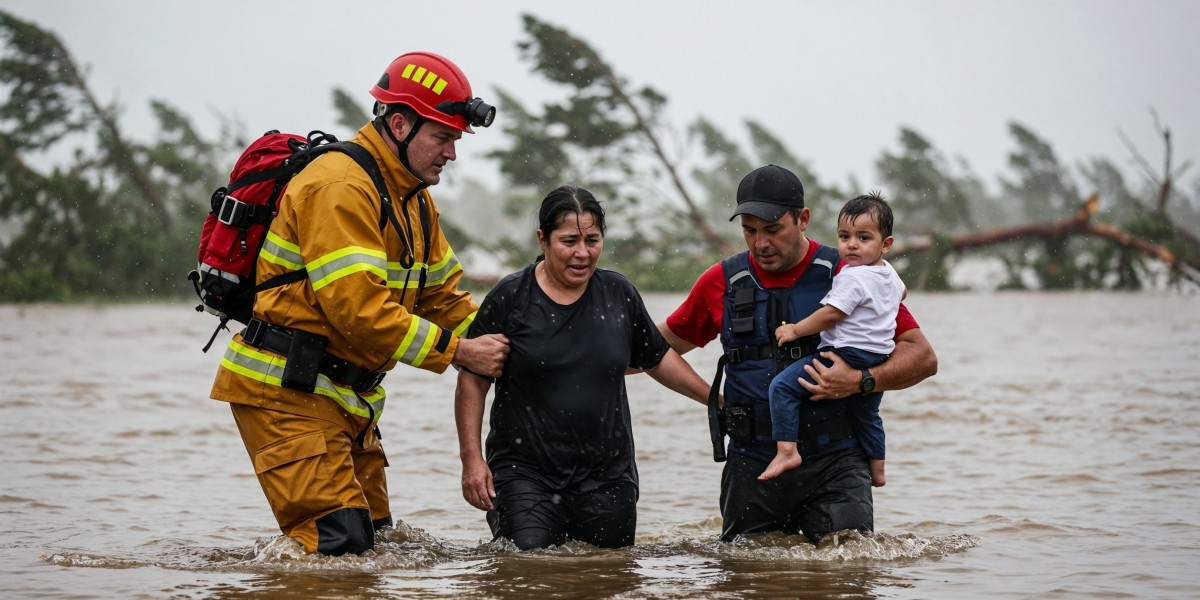

Humanity is put to the test of natural disasters. They destroy properties, ruin lives and leave households at crossroads. However, they also show the strength of solidarity, emotion, and cunning deeds. This guest blog describes the mechanism of disaster response, the importance of supporting it in the first place, and how ethical fundraising may make a difference on the ground.
Understanding the impact of disasters on lives
When the floods, earthquakes, or storms strike, the consequences are much more than an effect on broken buildings. Families are deprived of food provisions, clean water, access to education, and sources of income. International studies on disasters reveal that low-income areas have a slower recovery period as they have fewer resources and aid is not always timely.
Millions of people every year in South Asia are subject to seasonal monsoon flooding. Safe water is contaminated and this results in the washing of the roads, drowning of crops and spread of diseases. During such incidents, the Pakistan disaster relief activities are aimed at saving lives and subsequently restoring dignity by way of shelter, food, and healthcare.
The period after a disaster that experts deem decisive is the first 72 hours. Quick reaction will save lives, prevent diseases, and restrict chronic trauma.
Why flood response needs speed and planning
Floods can appear short lived, however, their destruction can take months or even years.Water pollution, death of livestock and ruined schools continue to keep communities in survival mode.
Poverty relief involves more than food drops in case of floods. It requires planning, trained local workforces and agreement with local leaders.As an illustration, outbreaks of diseases can be prevented by the early provision of water purification pills. Transitional learning facilities assist children to get back to normalcy, which promotes psychological wellbeing.
According to disaster management experts, prevention is important as well. The elevated houses, improved drainage systems and warning systems bring down the losses even before floods occur.
The role of local communities in recovery
The first responders will always be the local people. Before external assistance is provided, neighbors save their neighbors. Such local knowledge is life-saving as locals know the territory, weather conditions, and the necessity.
Fairness is also guaranteed by community-led action. The aid is provided to the most needy when locals assist in recognizing widows, children, old age, and people with disabilities.Humanitarian workers tend to point out that community empowerment is not a choice but a necessity.
When recovery plans include local voices, rebuilding becomes faster and more sustainable.
How ethical fundraising supports real change
Money alone does not solve disasters. How funds are raised and used matters just as much. Transparent fundraising for nonprofits helps turn public trust into meaningful action.
Ethical fundraising focuses on:
Clear goals and honest communication
Showing how donations are used
Respecting the dignity of affected people
On a case in point, rather than publishing outrageous pictures, responsible campaigns articulate needs and provide solutions. When donors receive updates, budgets and quantifiable results, they feel more confident.
Research on nonprofit management indicates that transparency can make repeat giving and sustained giving more frequent.
Smart use of data and expert guidance
Information is central to the current disaster response. Floods are seen in satellite images. Mobile surveys are useful in the evaluation of needs within a short period of time. Health data forecasts risks of the disease.
Disaster management experts advise using data along with human intelligence. Numbers indicate the areas of assistance, yet direct discussions indicate what type of assistance works most effectively.
As an example, a food is sent without taking into account the local diets that may result in wastage. The problems of such mistakes can be avoided by consulting local health workers.
Long-term recovery goes beyond aid
Relief is only the first step. Complete recovery implies rebuilding lives, education and psychological health. Small business, farmer, and women-led work programs enable communities to be self-reliant once again.
Physical wounds may have long-term trauma as pointed out by psychologists. Community support groups, counseling, and safe places for children are a difference.
Later in their development, the Pakistan disaster relief efforts may change to include rebuilding homes and skills rather than providing emergency aid. This shift is effective in assisting families to have control over their lives.
Building trust through responsible campaigns
Supporters want to know that their help creates impact. Strong storytelling, real examples, and honest reporting build trust.
Successful fundraising for nonprofits campaigns often share:
A clear problem
A realistic solution
Evidence of progress
For example, instead of saying “help flood victims,” a campaign might explain how clean water kits reduce illness in one village. This clarity motivates action without exaggeration.
Lessons learned from past floods
Lessons are learned in past disasters. Late reaction leads to agony. Poor coordination brings about duplication. Disregarding local input is a waste of resources.
Better flood relief plans are currently aimed at preparedness, local collaboration, and responsibility. Scholars concur that experience on how to avoid errors is what preserves human lives during emergencies in the future.
Conclusion
The disasters will always take place, but the sufferings do not need to go up. Through early response, community participation, and ethics, it is possible to recover. Compassion becomes productive when individuals learn about how relief functions and how money is being spent.
FAQs
How can individuals help during disasters?
People can support by donating responsibly, sharing verified information, and volunteering skills if trained. Avoid spreading unconfirmed news.
Why is transparency important in disaster fundraising?
Transparency builds trust. It shows donors how their support creates impact and encourages long-term engagement.
What makes disaster recovery successful?
Speed, local involvement, expert guidance, and long-term planning together lead to lasting recovery.
How does preparedness reduce disaster damage?
Early warnings, strong infrastructure, and community training lower risks and save lives before disasters strike.