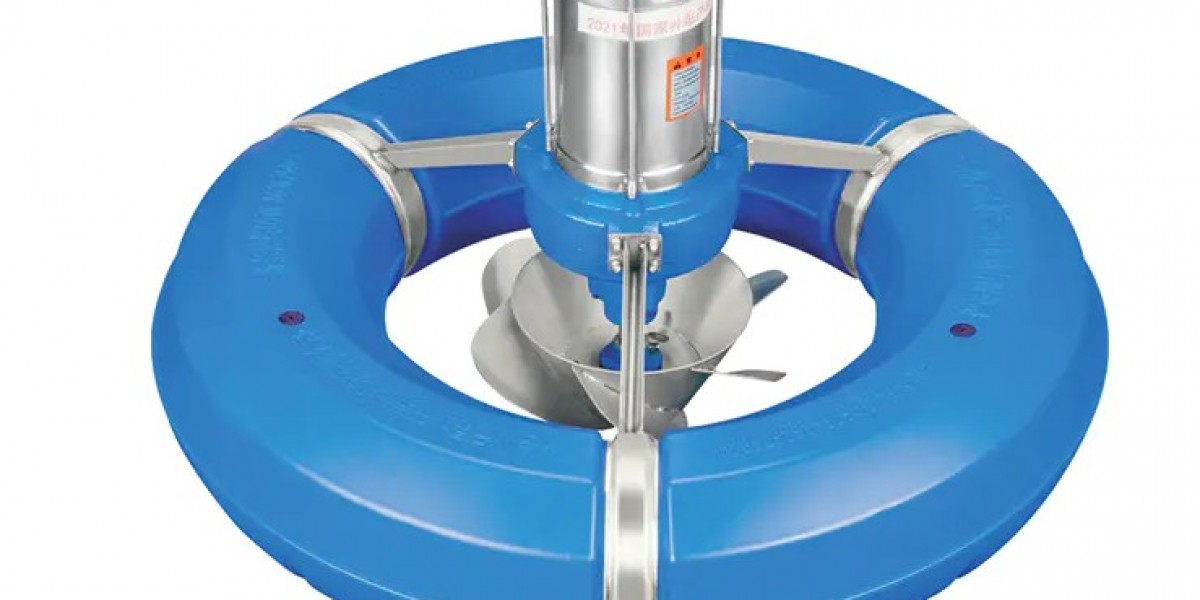

Paddle Wheel Aerator systems are widely applied in water management projects where oxygen transfer and surface circulation are required. From aquaculture ponds to wastewater treatment facilities, the Paddle Wheel Aerator supports water quality improvement by increasing dissolved oxygen and reducing stagnant areas.
In aquaculture, paddle wheel aerators are commonly installed in fish and shrimp ponds. Their rotating paddles agitate surface water, promoting oxygen exchange and circulation. Adequate oxygen levels influence aquatic species growth and feeding behavior, while improved circulation helps distribute nutrients and maintain more stable water conditions. Many pond operators use aerators during periods of higher biological activity or warmer temperatures when oxygen demand increases.
Beyond aquaculture, paddle wheel aerators are used in wastewater treatment processes such as oxidation ditches and aeration basins. In these settings, oxygen supports microbial activity that breaks down organic matter. Similar principles apply in constructed wetlands and ecological restoration projects, where aeration helps stabilize water quality and supports aquatic plant and animal life.
However, application conditions vary. Paddle wheel aerators primarily affect surface and shallow water layers, meaning deeper zones may receive limited oxygenation. In deeper ponds or lakes, multiple units or complementary aeration systems may be considered to improve vertical mixing.
Energy use and site environment are also factors. Depending on size and operating time, power consumption should be evaluated alongside oxygen demand. In areas near residential or recreational zones, noise and surface disturbance may influence installation planning.
In summary, Paddle Wheel Aerator systems contribute to improved water circulation and oxygen levels across diverse environments. When applied with consideration of water depth, coverage area, and operating conditions, Paddle Wheel Aerator solutions support balanced and sustainable water management.