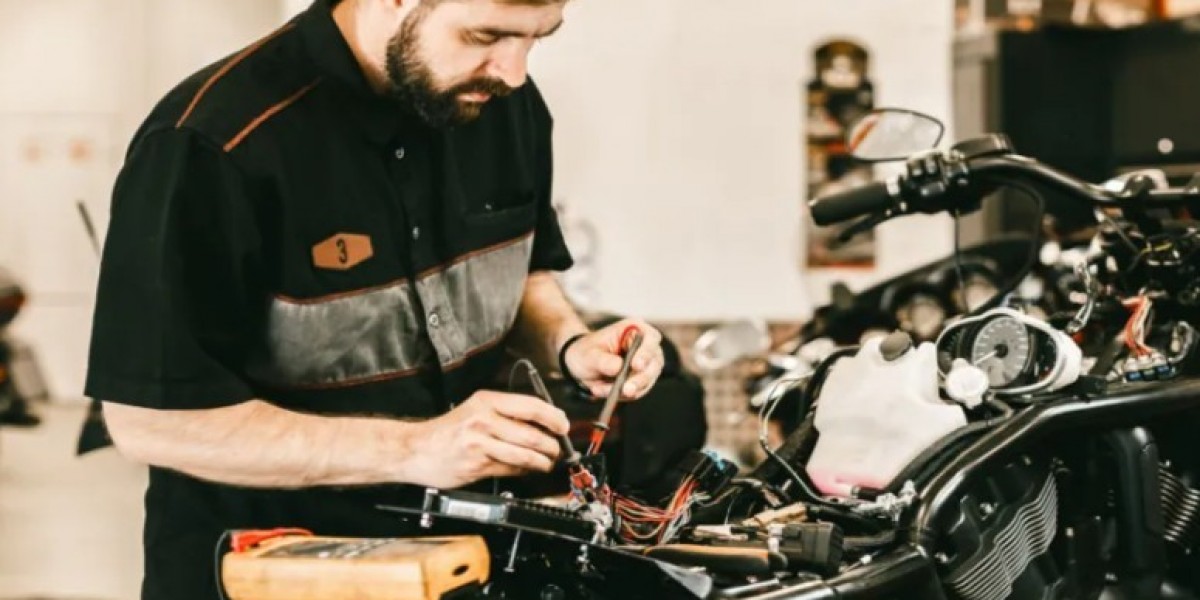

The motorcycle clutch is an exercise in controlled friction, a delicate handshake between engine power and forward motion. When it's new, its operation is often subconscious—a crisp engagement, a direct connection. But as miles accumulate, this vital interface begins to fade, its decline marked not by catastrophic failure, but by a series of gradual, unmistakable symptoms that erode the riding experience.
Learning to interpret these signs is a crucial skill, transforming you from a passive rider into an informed caretaker of your machine. A failing clutch won't just leave you stranded; it will first diminish performance, increase risk during critical maneuvers, and lead to accelerated wear elsewhere in the drivetrain. Recognizing the clues early allows for planned maintenance, preventing roadside drama and preserving the precise, mechanical feel that is central to the joy of riding.
The Telltale Slip: Loss of Power Under Load
The most classic indicator of a worn clutch is slippage. This occurs when the friction plates can no longer maintain a solid grip under power, allowing the engine to rev independently of rear wheel speed. You'll feel it as a surge in RPMs without a corresponding increase in acceleration, particularly when applying hard throttle in higher gears or climbing a hill. It might feel like the bike is briefly in neutral before catching.
This slip generates intense heat, further accelerating the wear on the already compromised plates. To test for this, ride at a steady pace in a higher gear (like fourth or fifth) on a flat road, then quickly but safely open the throttle wide. If the engine revs flare dramatically while the bike's speed lags, your clutch is announcing its fatigue. This symptom is a direct plea for attention, as continued riding in this state will quickly lead to complete failure.
The Grabbing or Dragging: Inconsistent Engagement
The opposite problem, though related, is a clutch that grabs abruptly or drags when disengaged. Grabbing occurs when the clutch engagement point becomes sudden and jerky, often at the very end of the lever's travel, making smooth low-speed control a challenge. Dragging is more insidious; even with the lever pulled fully to the handlebar, the clutch fails to fully separate the engine from the transmission.
This makes finding neutral at a stop nearly impossible, causes the bike to lurch or creep forward with the clutch in, and can result in a jarring shift or even cause the bike to stall when shifted into gear. Dragging is frequently caused by warped steel plates, a grooved clutch basket that hinders plate movement, or issues with the clutch cable or hydraulic system not providing full disengagement. Both conditions indicate a loss of precision in the clutch pack's operation. However, a comprehensive Motorbike Maintenance Course provides the essential framework, turning diagnostic intuition into proven repair skill. Such training equips you not only to solve this specific problem but to understand its relationship to the entire drivetrain, fostering a deeper, more confident, and more economical relationship with the machine you ride.
The Shifting Struggle: A Symptom in the Gearbox
Often, the distress signals of a dying clutch are misinterpreted as gearbox problems. Difficulty shifting, especially finding false neutrals between gears or experiencing crunchy, reluctant shifts under power, can frequently be traced back to the clutch. If the clutch is dragging even slightly, the gears remain under load, preventing the shift dogs from cleanly disengaging and re-engaging.
Similarly, a slipping clutch can cause a harsh, jerky sensation during upshifts as the plates struggle to manage the power transition. Before condemning your transmission, investigate the clutch system. Check for simple issues first: a slack or overly tight cable, low or old hydraulic fluid in a hydraulic system, or improper lever adjustment. If the basic adjustments are correct and shifting issues persist alongside other symptoms, the clutch assembly itself is the likely culprit.
The Lever Tells a Story: Changes in Feel and Free Play
Your left hand is a direct diagnostic sensor. A significant change in clutch lever feel is a primary sign. A lever that suddenly feels abnormally light or loose can indicate severely worn friction plates, as there is less material to create resistance. Conversely, a lever that becomes excessively heavy or stiff might point to a problem in the cable, hydraulic master/slave cylinder, or a issue within the clutch basket itself, such as notched grooves where the plates sit.
The amount of lever free play—the small amount of movement before you feel resistance—is critical. Too much free play can prevent full engagement, causing slip. Too little can prevent full disengagement, causing drag. Consult your owner's manual for the specific measurement and adjust it regularly. A constant need to adjust free play to compensate for a changing engagement point is itself a sign of ongoing wear.
The Auditory and Olfactory Clues: Listening to Your Bike
Sometimes, the signs are heard or smelled before they are felt. A worn clutch can produce a distinct rattling or chattering sound at idle, particularly when the bike is in neutral with the clutch lever out (engaged). This noise may disappear when you pull the lever in, as the plates separate. This sound often indicates worn cushion springs or excessive play in the clutch pack. More alarmingly, the acrid smell of burning friction material—a scent akin to overheated brakes—is a definitive red flag. This odor typically accompanies severe slipping, where the plates are glazing or burning due to excessive heat. If you detect this smell during or after aggressive riding or while experiencing slip, you have caught the problem in a critical stage. Continuing to ride will result in the metallic-on-metallic slip of the backing plates, causing catastrophic damage to the pressure plate and basket.
Empowerment Through Understanding and Mastery
Recognizing these signs is the first half of mechanical empowerment. The second is having the confidence and knowledge to address the issue. Replacing a clutch is a fundamental yet rewarding task that demands methodical care, proper torque settings, and an understanding of your specific motorcycle's design. It is a right of passage for the dedicated rider. For those who wish to move beyond symptom recognition to true mechanical self-reliance, building a structured foundation of knowledge is key.